


What inDrive Actually Is and Who It Targets
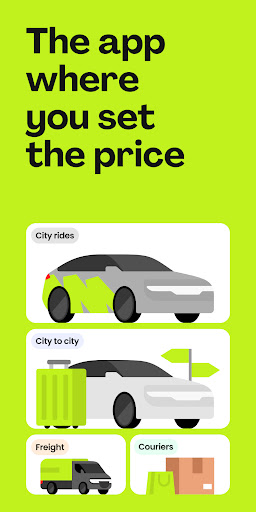
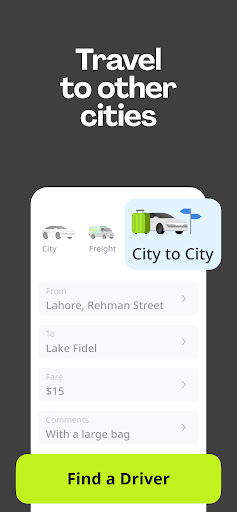
inDrive is a rideshare app that flips the usual taxi-booking model on its head. Instead of an algorithm setting the fare, you propose a price for your trip and drivers can accept, decline, or counter-offer. Beyond city rides, the app also covers intercity travel, package courier services, freight/truck bookings, and hiring local service providers, all built on the same negotiate-your-price idea. It’s aimed at price-conscious riders who want to haggle rather than accept surge pricing, and at drivers who want more control over which trips they take. Given the enormous install base and review volume, it’s clearly found a real audience, particularly in markets where traditional taxi apps feel overpriced or rigid.
The Negotiation Model in Daily Use
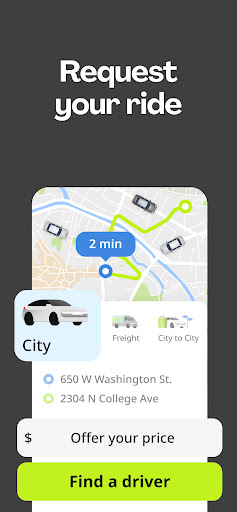
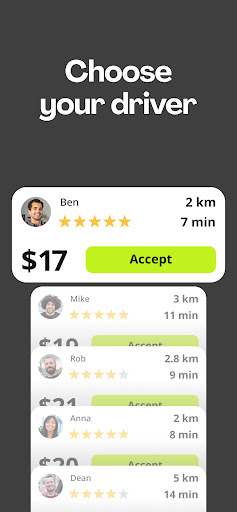
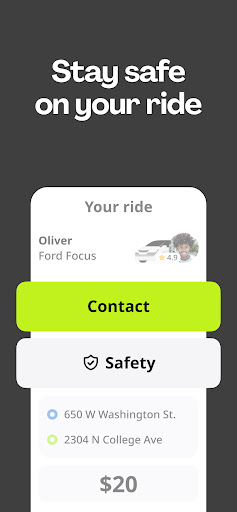
The core pitch — naming your own fare and picking from a list of drivers based on price, car, rating, and arrival time — is a genuinely different experience from a standard cab app. When it works, riders like the transparency of seeing a driver’s name, plate number, and completed trip count before committing, and the ‘Share Your Ride’ safety option is a nice touch for solo travelers. Drivers, in theory, benefit from seeing the drop-off point and fare upfront and skipping rides they don’t want, which the store listing pitches as a way to earn more than on fixed-rate apps.
Where the Fare Negotiation Breaks Down
In practice, multiple users describe the negotiation system as adversarial rather than fair. One reviewer says a ride that should cost 35dh gets refused unless raised to 48, claiming ‘99% of drivers agree to force you to raise the price by not accepting an average offer.’ That undercuts the whole premise of a ‘fair fare you agree on.’ There are also more serious safety complaints: one user reported a driver who became aggressive and ‘tried to hit me because I refused to pay more’ after accepting a fare and then demanding extra cash on arrival — and says support didn’t adequately follow up. That’s a significant red flag for anyone relying on this as a primary transportation option.
Driver-Side Frustrations Are Just as Loud
It’s not just riders complaining. Several driver reviews describe the fare structure as locked in no matter what happens on the road — if the route changes, roads are blocked, or the trip runs 8-10 km longer than expected, the agreed price doesn’t adjust. Drivers also flag an uneven cancellation policy that tends to charge them rather than passengers, unpaid waiting time when riders are late, and unpaid travel to pickup points that sometimes ends in a cancellation anyway. One driver review bluntly states the app ‘gives all the benefits to passenger only,’ which suggests the two-sided marketplace isn’t as balanced as the marketing implies.
GPS Accuracy, Support, and Extra Services
Beyond the pricing model, basic reliability issues show up in reviews too. One user describes GPS that’s ‘always inaccurate,’ repeatedly sending drivers to the wrong location and causing delays, paired with customer support that ‘doesn’t even try to solve the problem.’ The grocery/delivery-style ordering feature also draws complaints — one user reports deliveries taking over an hour and a half instead of the promised 30 minutes, plus a tracking page that stops working once that window passes. These aren’t isolated UI quirks; they point to gaps in both the tech stack and the support team’s responsiveness when things go wrong.
Who Should Actually Download This
inDrive can be worth trying if you’re in a supported city and want an alternative to fixed-price taxi apps, especially if you’re comfortable negotiating and vetting drivers by rating and trip history before accepting. It may appeal to budget-focused riders willing to tolerate some friction for potentially lower fares. However, the volume of complaints about fare pressure tactics, unresponsive support, GPS errors, and at least one alarming safety incident means it’s not a clear replacement for more established ride apps if reliability and driver accountability matter most to you. Drivers considering it should also weigh the repeated complaints about unpaid wait times and cancellation penalties before counting on it as a steady income source. Approach it as a supplementary option rather than your only transportation app.


