




What Opera Mini Actually Offers
Opera Mini is a lightweight mobile browser built around the idea of saving data and loading pages fast, even on slow connections. Beyond basic browsing, it packs in a built-in ad blocker, private browsing with PIN-locked tabs, an AI chat assistant, football score tracking, a news feed, and a wallet feature called MiniPay. It’s aimed at users who want a no-frills, data-conscious browser rather than a bloated app, and it’s particularly useful for people on limited data plans or older, slower devices.
Where It Genuinely Shines
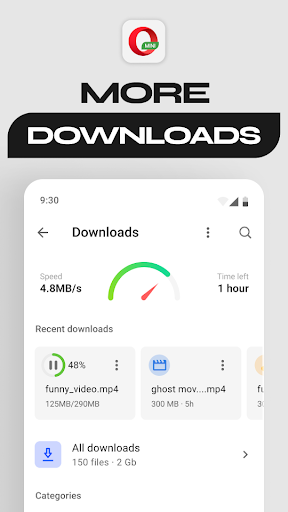
The standout strength, echoed repeatedly by long-time users, is the data compression and download reliability. One reviewer with nearly 28,000 helpful votes specifically praised how Opera Mini never interrupts downloads on large files the way Chrome does, and called its ad-blocking ‘truly astounding.’ Multiple other reviews back this up, crediting the compression feature for meaningfully cutting data usage, something that matters a lot for users outside unlimited-data situations. For people who’ve used Opera across desktop and mobile for years, this core browsing efficiency is clearly the reason they stick around despite other complaints.
The Cracks That Keep Showing Up
The most serious recurring complaint is that the data-saving modes themselves can break basic browsing. A review with over 9,000 helpful votes describes a ‘Web page not available’ error that hits repeatedly when Automatic, Extreme, or High data savings mode is switched on, essentially defeating the purpose of the feature. Other users report sites like Twitter becoming inaccessible or having broken formatting, and one long-time user noted ads now appearing during page loads even on sites like Wikipedia, something that didn’t happen in earlier versions. Crashes are also mentioned as a multiple-times-daily occurrence for at least one reviewer, alongside stuck update prompts that never actually resolve.
Interface Clutter and Missing Basics
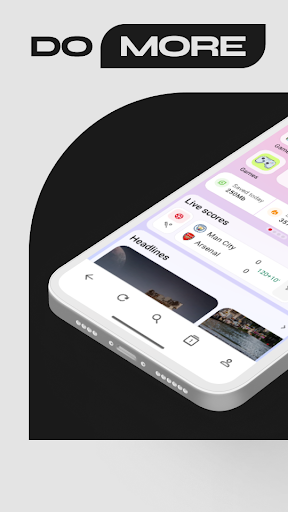
Several reviews point to UI decisions that frustrate returning users rather than newcomers. The addition of a live football scores icon permanently placed in the bottom toolbar has annoyed people who don’t follow football and can’t find a way to remove it, despite digging through settings. Similarly, a newer update now displays trending Google searches every time the address bar is tapped, with no visible toggle to turn it off. Basic functionality gaps are called out too, including no way to search browsing history and a full-screen button that’s only available in landscape mode, not portrait, which one heavy user specifically asked to see fixed.
Cross-Device Syncing Is More Promise Than Reality
For users who want Opera as their default browser across phone, PC, and tablet, the cross-platform story is messier than expected. One reviewer explained that Opera has scattered the features they need across three or four different app versions, and that MyFlow’s QR code scanning for syncing data between devices repeatedly fails to work as intended. This matters because Opera’s desktop reputation is partly built on exactly this kind of seamless cross-device experience, so its absence in Mini is a real letdown for people trying to consolidate their browsing.
Final Verdict: Who Should Actually Download This
Opera Mini is worth installing if your priority is saving mobile data and you’re willing to tolerate occasional loading errors in exchange for genuinely effective compression and ad blocking. It’s a solid pick for budget data plans, older phones, or users who mainly want fast, private browsing without much fuss. It’s a weaker choice if you rely on desktop-to-mobile syncing, want a clean interface free of football widgets and trending search suggestions, or need rock-solid stability, since crashes and broken pages under data-saving modes are documented frustrations rather than rare glitches.


