




What Telegram Actually Offers
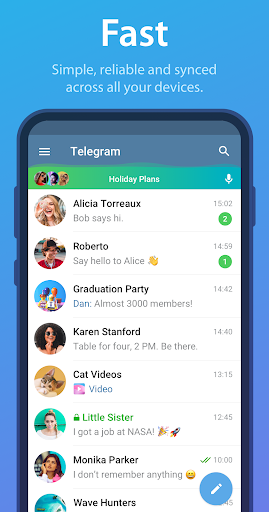
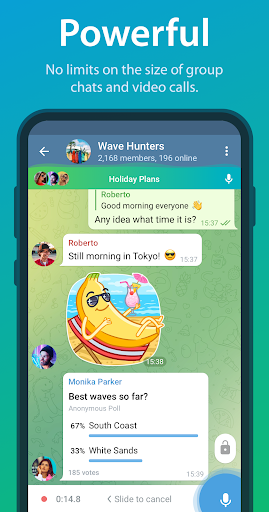
Telegram is a cross-platform messaging app built around the idea of being fast, cloud-synced, and free from the storage limits that plague other chat apps. With over a billion active users, it positions itself as the messenger for people who want large group chats, big file transfers up to 2GB, and access to their chat history from any device without needing their phone connected. It appeals to communities, teams, and anyone who has outgrown the group-size limits of mainstream competitors.
The core pitch is real: you can start a message on your phone and finish it on your laptop, join groups with massive memberships, and send files that would choke other apps. For power users and community organizers, that flexibility is genuinely useful and is the main reason people switch over in the first place.
Where the App Genuinely Shines
Reviewers consistently agree that the underlying feature set is strong. One long-time user called the features and function ‘actually really good,’ and others who’ve stuck around for 8 years describe the app as having once been ‘amazing,’ with easy navigation and a secure feel that made it stand out from competitors. Sync across devices and unlimited cloud storage remain highlights that keep loyal users around despite frustrations.
The sticker/GIF platform, customizable themes, and bot ecosystem also give it a personality that more corporate messengers lack, which is part of why it built such a dedicated base in the first place.
Stability Problems That Won’t Go Away
The most damaging complaints are technical, not philosophical. Multiple users report the app crashing repeatedly on Samsung devices, with one reviewer noting it crashes ‘literally every 5 minutes’ and that as of mid-2025 it’s still crashing with no explanation from support. Others describe the Stories feature freezing at the top of the screen and covering conversations entirely, making chats unreachable. A separate complaint describes endless ‘updating’ screens that stall the app even on strong 5G or Wi-Fi connections, a problem the user says no other app on their phone exhibits.
These aren’t minor cosmetic bugs — they directly block the core function of reading and sending messages, which is a serious problem for an app whose entire value proposition is reliability.
Spam, Bots, and the Privacy Paywall
A recurring and pointed criticism is that basic privacy controls have been moved behind a paywall. Several reviewers say restricting message requests to known contacts only used to be a free, default protection and is now a Premium-only feature, leaving free users exposed to a flood of scam bots and strangers messaging them daily. One user called this change ‘so wrong,’ and another described phone numbers being exposed via bots, undermining the app’s privacy-first marketing. A separate complaint describes being forced into Premium just to receive an SMS login code, with no alternative two-factor option offered, which reviewers flagged as a manipulative sign-up tactic.
For an app whose entire brand is built on privacy and security, gating basic spam protection behind a subscription is a real credibility problem, and it shows up again and again in user feedback.
Who Should Actually Download This
Telegram still makes sense for people who need large group chats, big file sharing, or multi-device sync that other apps can’t match — think community moderators, remote teams, or anyone tired of storage limits. If you’re mainly chatting with a small, known circle of contacts and don’t mind occasionally paying for extras, the core experience remains solid.
But go in with clear eyes: expect possible crashing issues (especially on Samsung hardware), a real chance of bot spam if you don’t pay for Premium, and occasional UI bugs like frozen Stories bars. Long-time users feel the free experience has been quietly downgraded over time, so if unrestricted privacy controls and rock-solid stability are non-negotiable for you, weigh those complaints carefully before committing.


