





What Snapchat Actually Does
Snapchat is the camera-first messaging app that opens directly to your camera, letting you snap a photo or video and send it to friends before it disappears. Over the years it’s expanded well beyond disappearing photos into full territory: group video chats with up to 16 people, Stories, a Discover feed of shows and news, a Map that shows where your friends are, Memories for saving old snaps, and Spotlight, its short-form video feed competing with TikTok. It’s built for a younger, social crowd who want quick, casual communication rather than polished posts.
The Camera and Chat Experience Still Delivers
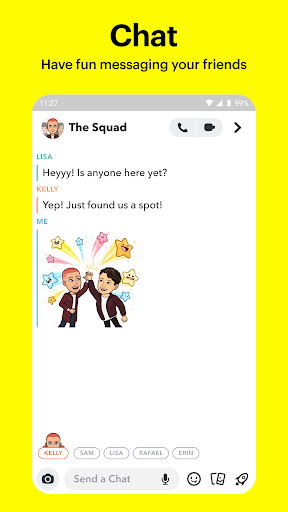
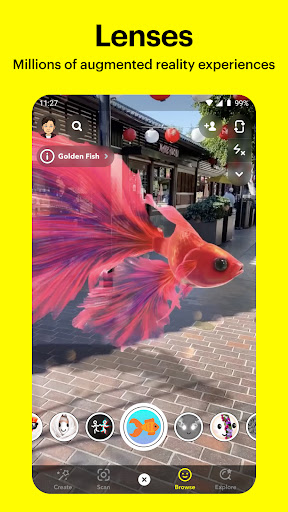
For actually talking to friends and messing around with Lenses and filters, Snapchat remains genuinely fun. Long-time users note they’ve stuck with it for around a decade, and the core loop of snapping something goofy, adding a filter, and sending it off still works exactly as advertised. Bitmoji and Friendmojis add a personal touch that makes conversations feel less like generic texting, and the group video chat feature is a real standout for staying in a loop with multiple people at once without switching apps.
Memories and Organization Are a Genuine Strength
One reviewer specifically praised how well Snapchat organizes saved photos and videos by date, calling it easy to navigate. If you use Memories to archive moments over time, this is one of the app’s quieter but more useful features — it functions as a de facto personal photo diary that’s simple to scroll back through, which is more than can be said for a lot of messaging apps that treat media as disposable.
The Discover and Content Problems Are Real
This is where the app runs into serious trouble. Multiple reviewers report getting inappropriate content pushed into their Stories and Discover feeds without asking for it, and — more damning — that blocking or hiding those accounts simply doesn’t work. Users describe blocking the same account five or more times only to have it reappear on refresh, with the app throwing a vague ‘something went wrong’ error specifically when trying to hide that content. Combine that with no accessible way to reach a human at Snapchat support, and it becomes a problem users can’t actually fix themselves, just endure. One review also flagged the comment sections on Discover content as a magnet for hateful comments targeting minorities, which is a serious moderation gap for an app with this many active users.
Notifications and Ads Have Gotten Out of Hand
A recurring complaint is notification overload: users report going into settings, disabling specific notification types, and then having those exact notifications return within days — sometimes the same notification popping back up seconds after being dismissed. On top of that, ad frequency has escalated to the point where reviewers describe ads interrupting content every 30 seconds to every three snaps, with some ads even appearing as fake messages. One user reported that tapping anywhere on the screen during an ad now advances or triggers something unwanted, making it harder to skip past them the way you used to be able to.
Who Should Actually Download This
Snapchat still works well if your main goal is quick, casual photo and video messaging with a tight friend group, group video calls, and a fun way to keep a running photo archive through Memories. It’s clearly built for — and best suited to — younger users who live in group chats and don’t mind a heavier ad load in exchange for a free app. But go in with clear expectations: content moderation on Discover and Stories is inconsistent at best, blocking tools are unreliable, notification settings don’t reliably stick, and the ad volume has become a legitimate daily annoyance according to long-time users. If you want a clean, ad-light, tightly-moderated messaging experience, this isn’t it. If you’re fine trading some friction for a genuinely useful camera-and-chat combo you’ll actually use daily, it still earns its place on your home screen.


