




What NAVER Actually Is and Who It’s For
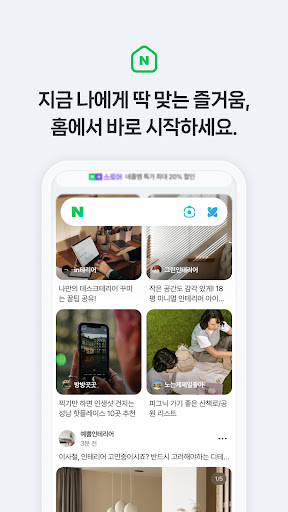
NAVER is South Korea’s dominant search and portal app, bundled into one package with news, a short-form video feed called Clip, a shopping platform (NAVER Plus Store), and a MY tab for payments, coupons, and identity verification. It’s essentially Korea’s answer to a Google-plus-TikTok-plus-Amazon super app. With over 122 million installs, most of that user base is in Korea, but the app is also used heavily by expats, Korean learners, travelers, and anyone who needs to interact with Korean websites, since many Korean services require NAVER login or NAVER Pay to function. If you have no connection to Korea, there’s little reason to install this.
The Map, Transit, and Real-Time Data Are Genuinely Strong
One reviewer specifically called out that ‘the details of the map itself and the real-time subway/bus information warrant 5 stars,’ and that lines up with what NAVER is known for locally: dependable, granular real-time transit info, weather, and stock data. The Wear OS integration extends this further, letting users check weather and stock prices and use Pay directly from a watch, plus quick-access tiles for frequently used tools. For daily practical use inside Korea, this backend data quality is the app’s clearest strength, and it’s not something competitors easily replicate outside the country.
Account Verification Is Where Everything Falls Apart
The most common and most damaging complaints are not about features, but about actually getting into the app. Multiple reviewers describe verification codes that never arrive, accounts suspended immediately after signup for being ‘mass generated,’ and repeated forced re-verification triggered by logging in from a ‘suspicious or abnormal location’ — a predictable problem for travelers or anyone using a VPN. One user reported this happening twice even after resolving it once. Another described being flagged as under 14 with no clear way to fix it, and being asked to submit a Korean phone number to verify identity, which is simply not possible for many foreign users. When customer service was contacted, one reviewer said the reply ‘made it seem they didn’t read’ the original inquiry. This isn’t a minor onboarding hiccup; for a meaningful slice of users, it’s a hard wall that blocks access to the app entirely.
The Disappearing English Option
A second recurring complaint concerns language support. One reviewer noted that after completing ‘real name’ verification paperwork for QR code access, they were pushed to a newer version that no longer had the English setting that used to be selectable from the logon page, with most content now untranslated. Another reviewer flagged that while the app itself may be fine, ‘the search engine optimization is awful for the English language version’ in practical use, meaning search results don’t behave the way English-speaking users expect. Some reviewers push back on this criticism, arguing the app was never meant to be a foreign-language product and that Google Translate via screenshot is a workable substitute — which is true, but it’s still a real usability gap for non-Korean speakers who make up a notable share of the install base.
Clip, Shopping, and the AI Search Tab
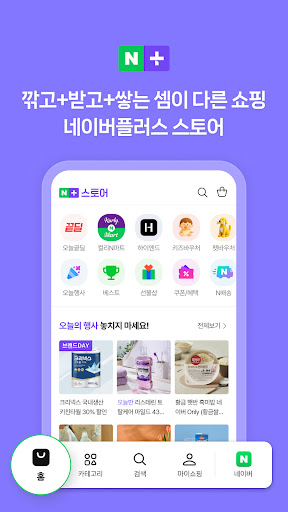
Clip functions as NAVER’s short-form video space for casual browsing and content creation, with a ‘My Clip Board’ for saving favorites, while NAVER Plus Store handles personalized shopping deals, discounts, and promotions. The newer AI tab in the search bar consolidates Lens image search, music search, voice search, and Around Me location search into one entry point, which is a sensible consolidation of tools that were previously scattered. None of these draw specific complaints in the reviews, but they also aren’t what people are talking about — the login and localization issues dominate the feedback, suggesting the core content features work reasonably well once you’re actually inside the app.
Verdict: Who Should Install This
NAVER is worth installing if you live in Korea, need NAVER Pay or NAVER-linked authentication for other Korean services, or want best-in-class Korean transit and real-time data. It’s a rockier proposition for foreign users, travelers, or Korean-language learners, given the documented verification failures, account suspensions tied to location changes, and shrinking English support in recent versions. Go in expecting to troubleshoot the signup process, and keep a Google Translate tab handy.

