




Google Messages has quietly become the default texting app for most Android phones, and after using it as a daily driver, it’s clear why. RCS support is the headline feature, and when it works, it genuinely closes the gap with iMessage: read receipts, typing indicators, high-res photo and video sharing, and reactions that show up as actual emoji instead of the dreaded “liked an image” text bomb. Chats with other RCS users, including iPhone friends on iOS 18 and later, feel modern in a way SMS never did.
The catch is that RCS still depends on carrier and region support, so results vary wildly. Some users get flawless encrypted RCS chats; others are stuck wondering why group texts with certain contacts still fall back to MMS with compressed, blurry photos. When it doesn’t work, there’s little the app itself can do to explain why, and troubleshooting carrier-level RCS issues is not something most people want to deal with.
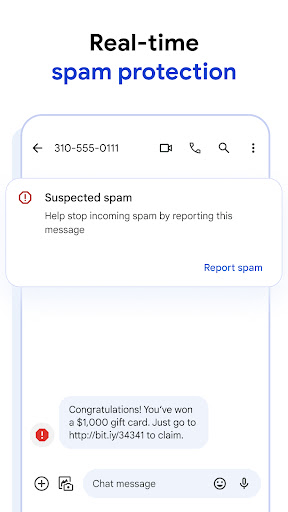
Spam filtering is genuinely useful, catching a solid chunk of the junk texts and phishing links that used to slip through on stock SMS apps. The Magic Compose AI suggestions are a nice-to-have but skippable; they’re fun for texting in a different tone but not something most people will use daily. Customization like chat bubble colors and themes adds a bit of personality without cluttering the interface, and the app stays fast and lightweight even with years of message history.
Cross-device sync via Messages for Web works well for basic use, though it’s not as seamless as Apple’s ecosystem integration, and occasionally requires re-pairing. End-to-end encryption for RCS chats between Google Messages users is a real privacy win, but it’s worth remembering that fallback SMS/MMS messages and RCS chats with non-encrypted clients don’t get the same protection. Overall it’s a competent, actively improving app that’s clearly the best default texting option for Android, but it’s still held back by RCS’s inconsistent rollout across carriers.


