


What Gallery Actually Does
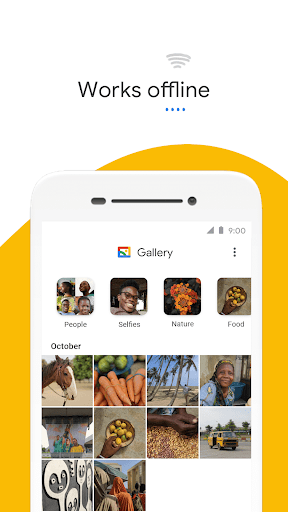
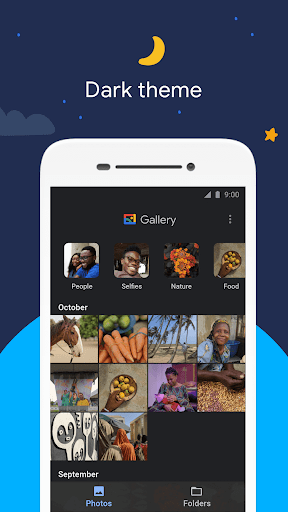
Gallery is Google’s stripped-down alternative to Google Photos, built for people who want a fast local photo and video manager without a mandatory cloud backup or a bloated interface. It sorts your existing photos into categories like People, Selfies, Nature, Animals, Documents, and Videos automatically overnight, and it supports folder browsing and SD card transfers, which makes it useful on budget Android phones with limited storage.
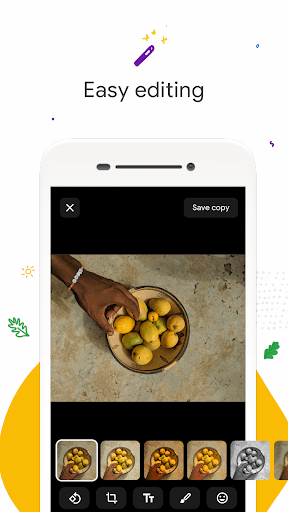
This is not an editing powerhouse or a Google Photos replacement with search and sharing baked in. It’s aimed at users who just want to see their photos organized by folder and category, offline, in a small app that won’t eat up phone resources.
Where It Genuinely Delivers
Users consistently point out that Gallery is simple in a way Google Photos isn’t. One reviewer said outright that ‘not everyone wants to deal with a complex app like Google Photo’ and that Gallery ‘is simple and easy.’ Another called it ‘the best gallery app I had so far’ thanks to its easy folder and album overview. For anyone who finds Google Photos overwhelming or is wary of automatic cloud uploads, that simplicity is the main draw, and it clearly resonates given how many people rely on it daily.
The offline-first design and small footprint also do what they promise. It doesn’t hog storage or memory, and SD card support is a real feature that plenty of budget-phone owners actually need, not just marketing copy.
The Back Button Bug That’s Frustrating Users
The most damaging recent issue, based on real feedback, is a broken navigation flow after an update. Multiple reviewers describe the exact same problem: tapping a photo to view it, then pressing the phone’s system back button, kicks you out of the app entirely instead of returning to the gallery grid. The app then keeps running in the background, and reopening it dumps you back on the last viewed photo rather than your folder view. One user had to resort to the on-screen back button just to navigate normally. This isn’t a minor annoyance — it breaks the core interaction of browsing photos, and it’s clearly a regression from a recent update rather than a long-standing quirk.
Customization and Reliability Gaps
Even setting the back-button bug aside, Gallery has some pointed limitations. The most upvoted complaint is the lack of grid customization — users want five rows of thumbnails instead of the fixed default of four, and there’s no setting to change it or to disable the recycle bin. It sounds minor, but for people managing thousands of photos, that rigidity matters.
Other users report that moving photos between folders triggers constant confirmation pop-ups, that photo ordering is sometimes wrong, and that compatibility with third-party apps like Lightroom and WhatsApp has gotten worse, with metadata handling causing photos to appear out of place. One reviewer also noted you can only move photos into folders from the thumbnail grid view, not while viewing an individual photo, which is an odd workflow gap for an app whose whole pitch is organization.
Who Should Actually Download This
Gallery is worth trying if you specifically want a lightweight, offline photo browser and have already decided Google Photos’ cloud-centric approach isn’t for you. It works well for basic organization, folder browsing, and SD card management on lower-end devices, and the auto-categorization is a genuine time-saver for casual browsing.
That said, go in with realistic expectations. The current navigation bug is a real usability problem that multiple users are hitting after updates, and the lack of view customization or bin control shows the app hasn’t evolved much despite its scale of use. If you need reliable back-button behavior right now, or you frequently move photos between third-party apps, you may want to wait for a fix or stick with an alternative until Google addresses these complaints. For basic, no-frills local photo storage, it still mostly gets the job done.


