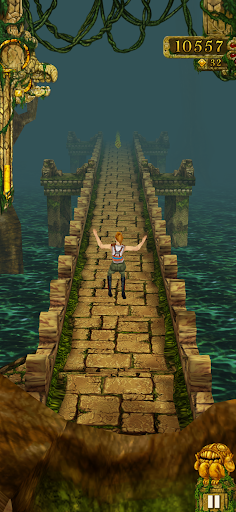
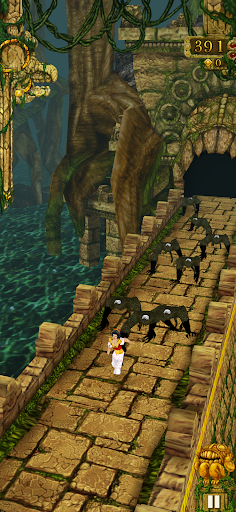
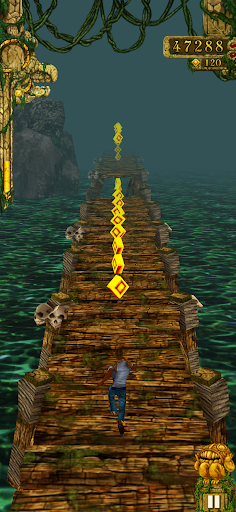
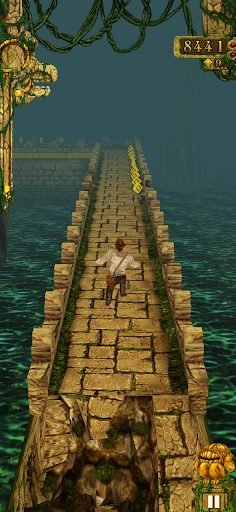
What Temple Run Actually Is
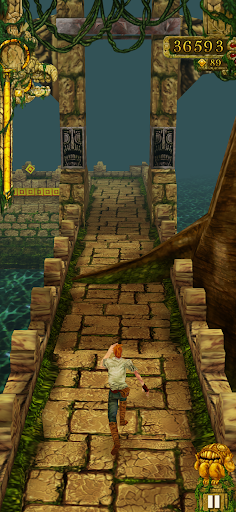
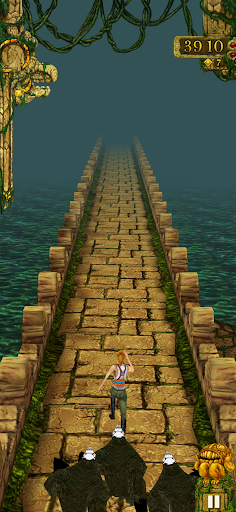
Temple Run is the original endless runner that helped define mobile gaming over a decade ago, and Imangi Studios has kept it running (pun intended) with the same core premise: you steal a cursed idol, then swipe left, right, up, and down to dodge demon monkeys, gaps, and crumbling bridges for as long as you can survive. There’s no story beyond that setup, no multiplayer battles, just you, a jungle path, and an ever-increasing sense of panic as the speed ramps up. It’s built for quick sessions, whether you’re killing five minutes in a waiting room or trying to beat your own high score on a lunch break.
This is squarely a casual arcade pick-up-and-play game, aimed at people who grew up with it as much as newcomers who want a simple offline distraction. It plays fine without WiFi, which still matters for commuters and anyone who wants a game that doesn’t eat data.
The Pacing Still Works After All These Years
The single thing reviewers keep pointing to is that the gameplay itself holds up. One player specifically noted that a run ‘feels slow’ at first but your character steadily picks up pace, and that acceleration curve is still the game’s best trick. It creates a natural difficulty ramp without needing levels or stages, and it’s why people describe it as ‘massively addictive’ even now. Multiple reviewers mention treating it as a party game, passing the phone around to see who can get the longest run or highest coin count, which speaks to how approachable the controls remain even for non-gamers.
The obstacle variety and running-space design also get credit for staying consistent and readable, which matters in a game where split-second swipes decide whether you survive another few seconds.
The Ad Problem That Keeps Coming Up
The most consistent complaint across reviews, regardless of star rating, is advertising. Several users who otherwise love the game say ads now appear after nearly every run, and it’s a sore point especially for longtime fans who remember the ad-free version. One reviewer specifically called out that declining the ‘watch an ad to continue’ prompt often plays the ad anyway, which feels like a bait-and-switch on player choice. Another described the game as ‘completely unplayable’ now because of how often ads interrupt the flow, turning a fast arcade experience into a stop-and-start slog.
This isn’t a minor annoyance buried in one review — it shows up from 5-star reviewers giving qualified praise all the way down to 1-star reviews built entirely around ad frustration. That consistency makes it hard to dismiss as isolated bad luck.
Bugs and Store Features That Don’t Quite Work
Beyond ads, there are scattered but concerning technical complaints. One player described reinstalling the app after it froze permanently on the loading screen following a normal close-and-reopen. Another said they purchased ‘resurrects’ from the in-game stat store but found no actual button or way to use them during a run, which is a frustrating dead end if you’ve spent coins or real money expecting a specific feature to work. These aren’t universal experiences, but they suggest the app isn’t as polished under the hood as its long track record might imply.
Who Should Actually Download This
If you want nostalgia, a genuinely solid core runner mechanic, and don’t mind ads breaking up your sessions, Temple Run still delivers exactly what it promises — fast, reflex-driven, easy-to-learn arcade action that works offline. It’s a good fit for casual players, kids, or anyone wanting a low-commitment game for short bursts.
If you’re sensitive to aggressive ad interruptions or expect in-game purchases to function cleanly, temper your expectations. The gameplay itself hasn’t lost its charm, but the experience around it — ads, occasional freezes, unusable purchased features — has clearly frustrated a chunk of its long-term fanbase. Go in expecting a great runner wrapped in a more commercialized, occasionally buggy shell than the version you might remember.