
What Whoscall Actually Does
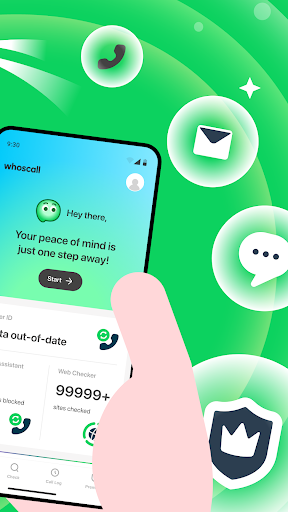
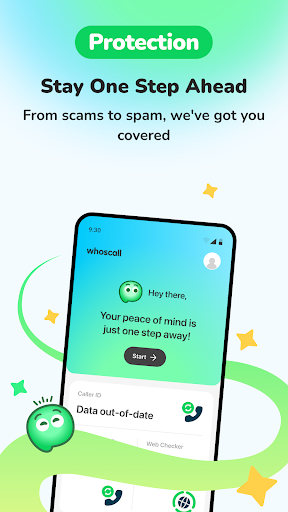
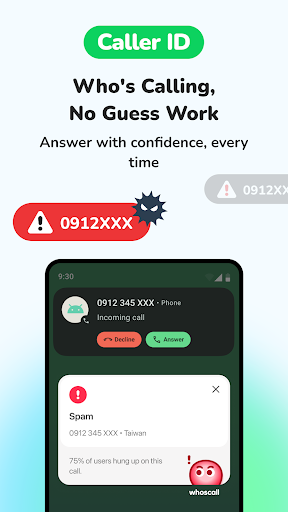
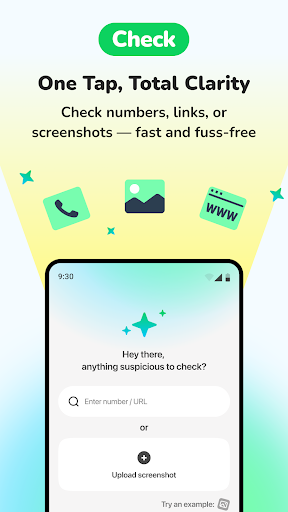
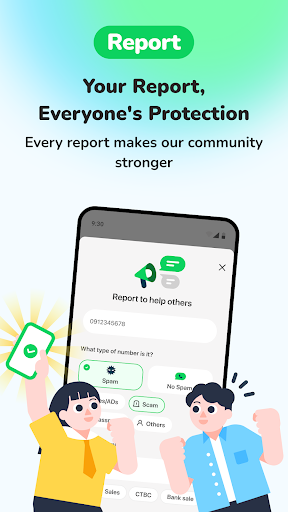
Whoscall is a caller ID and call-blocking app from Gogolook that flags unknown numbers, screens texts for phishing, and lets users verify suspicious phone numbers, URLs, or screenshots through a feature called Check. It’s aimed at anyone tired of scam calls and spam texts, and it leans on a global community reporting system plus a gamified Badge and Mission Board setup to keep that database growing. With over 73 million installs, it’s clearly found an audience among people who want a free-ish layer of protection on top of their phone’s default dialer.
Where It Actually Delivers
The core promise, identifying who’s calling before you pick up, works for a lot of users, and the sheer size of the reporting community is what makes the caller ID database useful in the first place. Reviewers note it’s cheaper than comparable apps, and for basic scam-number identification it does the job it says on the tin. The Check tool for scanning suspicious links or screenshots is a genuinely useful addition that goes beyond what most caller ID apps offer.
The Default App Problem
The biggest recurring complaint is that Whoscall increasingly pushes users to set it as their default phone and messaging app, and once you do, basic functionality suffers. Reviewers report losing the ability to pull up contacts from search, missing custom ringtones because the app falls back to generic notification sounds, and blocked numbers cluttering the same call log as legitimate calls. One user specifically said they were uninstalling because the app got ‘too nosy’ about wanting to be both dialer and SMS handler at once, which is a fair complaint when a caller ID app starts acting like a full phone replacement.
Blocking Calls You Didn’t Ask It To Block
More concerning is a report of the app automatically blocking unknown numbers without the user ever enabling that setting, resulting in missed calls including a job interview and a delivery. Another reviewer described the reverse problem: a scam caller’s name didn’t show until after they’d already answered, which defeats the entire purpose of caller ID. There are also complaints about persistent ‘beware of scammers’ notifications that bypass system-level notification settings entirely, meaning turning off notifications in your phone settings doesn’t actually stop them.
The Premium Upgrade Experience
Multiple low-rated reviews describe a rough premium trial experience, including a demand for a second backup payment method after the 7-day trial and a spike in unknown calls and texts right after signing up for premium, which some reviewers flatly called scam-like behavior. Whether that’s a coincidence or a pattern, it’s shown up often enough in reviews to be a real red flag worth knowing about before entering payment details.
Who Should Actually Download This
Whoscall makes sense for someone who wants a supplementary caller ID lookup tool and is fine leaving their default phone and messaging apps alone. It’s a harder sell for anyone expecting a full dialer replacement, given the ringtone issues, contact search problems, and cluttered call logs reported by longtime users. Given the complaints around auto-blocking legitimate calls and the premium trial’s payment demands, it’s worth using cautiously, sticking to the free tier, and avoiding default-app status until Google Play reviews suggest these issues have been resolved.