
What TextNow Actually Does
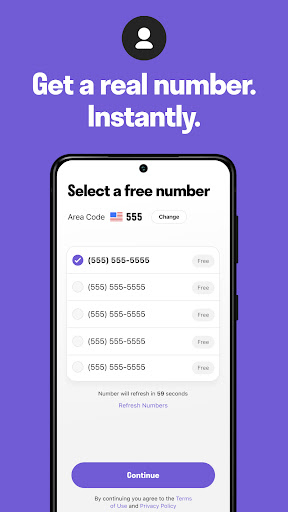
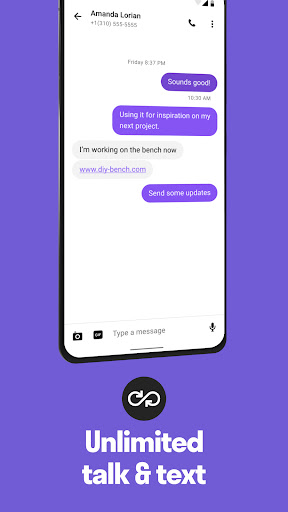
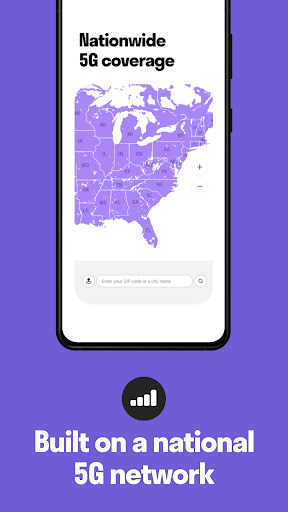
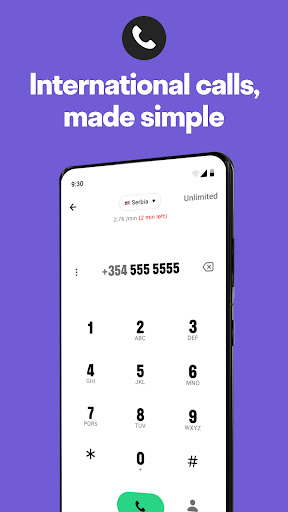
TextNow gives you a working phone number, free calling and texting over Wi-Fi, and the option to buy a SIM card for actual cellular data and coverage. It’s aimed at people who want a free second line for work or personal use, folks who can’t afford a traditional carrier bill, or anyone who wants to keep a number private from a main device. With well over 130 million installs, it’s clearly filling a real need, and the basic pitch — call and text without a monthly phone bill — still holds up for light users.
Where It Actually Delivers
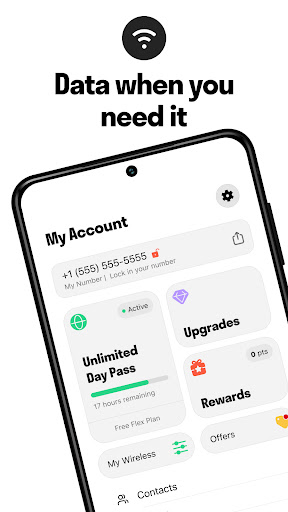
When it works, users genuinely like it. One reviewer called it ‘probably the best free texting app out there,’ using it as a main number for over a year paired with a $5 SIM card and the Free Flex data plan. For people who just need a number to give out for doctors, school, or work without exposing a personal cell number, TextNow does the basic job, and it’s been doing it long enough to have built a real, if divided, user base. The layering of free Wi-Fi calling with optional paid data plans (Day Pass, Weekly, Monthly) gives some flexibility that rigid carrier contracts don’t offer.
Ads and the Upsell Pressure
The ‘free’ framing is doing a lot of work here. Reviewers report ads popping up after nearly every call, and one long-time user noted that features which used to be included — like keeping your number reserved — now require paying, and the pricing structure has shifted from an annual fee to a weekly charge, which several people flagged as feeling like a bait-and-switch. Another common complaint is that basic functions, such as receiving SMS verification codes, are now gated behind a paywall that isn’t clearly disclosed upfront. If you’re expecting a purely free service, the in-app economics will probably surprise you.
Reliability Problems That Matter
The most damaging complaints aren’t about ads, they’re about the app just not working consistently. One user described calls and texts dropping mid-conversation despite a fine internet connection, saying the app ‘now decides when it wants to work’ after previously running flawlessly. Another had no way to transfer an existing number to a new phone, risking loss of a number tied to years of contacts. There are also billing complaints: multiple users report being charged for a plan after cancelling, or being billed on two plans simultaneously, and describe the process of getting money back as frustrating. For a communication app, these are not minor bugs — a dropped call or a number you can’t access is the whole product failing.
The Number-Squatting Requirement
A number of long-term users are irritated by how often you now have to use the app just to keep your number active — one reviewer said it went from needing to text once a month to needing to do so every 2-3 days, on top of dealing with increased spam. This turns a ‘set it and forget it’ second line into something that demands regular attention, which defeats part of the appeal for people who wanted a low-maintenance backup number.
Who Should Actually Download This
TextNow is worth trying if you need a free or cheap second number for casual use, don’t mind ads, and are willing to tolerate occasional instability in exchange for not paying a carrier bill. It’s less suitable as a primary phone line for anyone who depends on consistent call quality for work, or for anyone who’s rattled by subscription billing quirks — the recurring complaints about being charged incorrectly or losing paid features without warning are frequent enough to take seriously. Go in expecting a free-with-ads service that increasingly nudges you toward paid tiers, keep a backup way to reach important contacts, and check your bank statement after subscribing to anything inside the app.