



What Sound Amplifier Actually Does
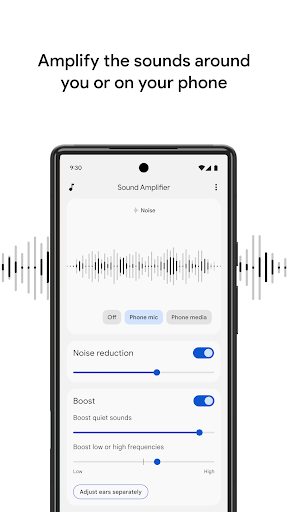
Sound Amplifier is a free accessibility app from Google that turns your Android phone into a makeshift hearing aid. Pair it with headphones, and the app uses your phone’s microphone to pick up nearby sounds, then filters and boosts them before sending the result to your ears. It’s aimed at people who are hard of hearing but don’t have or want traditional hearing aids, as well as anyone who struggles to follow conversations in noisy restaurants, lectures, or TV audio that’s too quiet or muddy. On Pixel 3 and later devices, there’s also a conversation mode meant to isolate a speaker’s voice from background clutter.
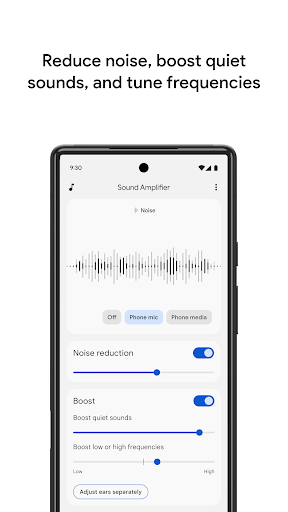
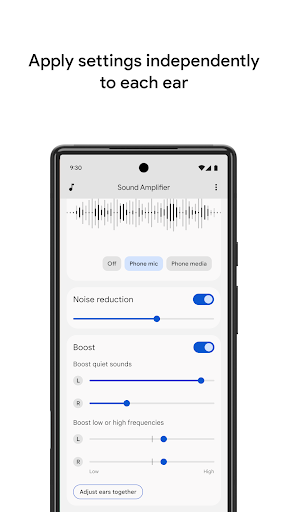
The core idea is simple and genuinely useful: instead of just cranking volume, you get sliders to reduce noise, boost low or high frequencies, or lift quiet sounds, with the option to tune each ear separately. That level of customization is rare in a free app and is clearly built with real accessibility needs in mind rather than as a gimmick.
Where It Genuinely Helps
When it works, users report it working really well. One reviewer with 1,409 helpful votes praised it outright, noting that complaints about background noise miss the point of what an amplifier is supposed to do. Another user said it brought out details in music through a Bluetooth Bose speaker that they’d never noticed before, calling the experience ‘amazing’ at first. For straightforward use cases, like boosting a conversation or amplifying TV dialogue through wired headphones, plenty of people find it does exactly what it promises, and it costs nothing to try.
The Bluetooth and Hardware Headaches
The most consistent complaint is around Bluetooth reliability. One user described the app working great initially with a Bluetooth Bose device, only for it to later refuse to recognize any headphones at all, wired or wireless. Others point out that the app was seemingly designed with wired headphones in mind, which feels dated on phones that increasingly ship without headphone jacks. That’s a real limitation in 2024-era usage, not just a minor gripe, since it pushes users toward extra dongles or adapters just to get the app functioning as advertised.
Delay is the other recurring theme. Multiple reviewers mention audio lag of one to two seconds, which is disorienting in live conversation and especially frustrating for musicians trying to isolate their own sound in an ensemble. The app’s own description even admits Bluetooth headphones might have delayed sound transmission, so this isn’t a surprise to Google, just an unresolved limitation.
Software Quirks That Undermine Trust
Several users report the app stopping abruptly when another app starts playing audio, which one reviewer attributes to Android’s audio focus system fighting with Sound Amplifier. That same reviewer noticed the microphone switching into what sounds like a phone-call mode, degrading audio quality unexpectedly. Another common frustration is settings sliders greyed out with no explanation and no response from Google on why. When a core promise of the app is personalized frequency tuning, having those controls locked without warning is a significant flaw, not a cosmetic one.
Missing Features Users Actually Wanted
A few reviewers wished for functionality the app doesn’t offer at all, like using it over a Bluetooth speaker in another room as a baby-monitor substitute, or selecting which of a phone’s multiple built-in microphones to use. One user also said they couldn’t get the app to meaningfully separate white noise from TV audio despite trying every setting, suggesting the noise-filtering algorithm has real limits in mixed-audio environments rather than just clean speech.
Who Should Actually Download This
Sound Amplifier is worth trying if you have a compatible wired headphone setup, realistic expectations about lag, and a specific use case like amplifying a single speaker or the TV in a quiet-ish room. It’s free, backed by Google, and clearly designed with genuine accessibility needs in mind, which counts for a lot. But if you rely primarily on Bluetooth headphones, need instant zero-lag audio, or want it to function like a dedicated hearing aid in loud, chaotic environments, the reliability issues and unexplained locked settings may leave you frustrated. Try it, but don’t throw away your backup hearing solution just yet.


