



What Shazam Does and Who It’s For
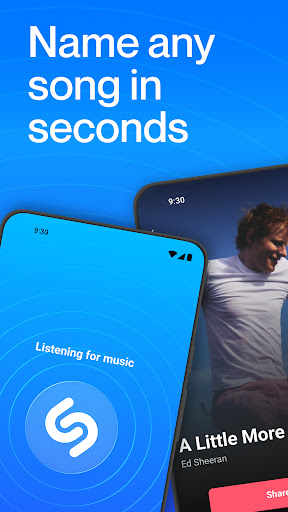
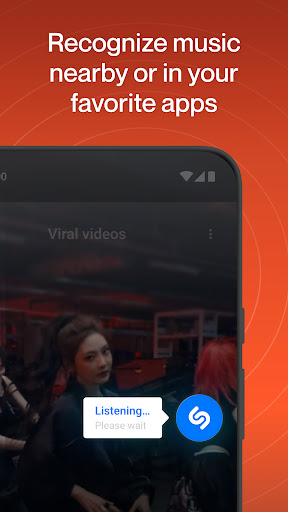
Shazam is the app you open when a song is playing somewhere and you have no idea what it is. Point your phone at the speaker, tap the button, and within seconds it names the track and artist. It now works inside other apps too, listening to audio from TikTok, Instagram, YouTube, or Snapchat, and it can run in the background via Auto Shazam so it keeps catching songs even after you’ve moved on to something else. This is squarely aimed at casual music listeners, playlist builders, and anyone who’s ever sat in a restaurant trying to Google half-remembered lyrics. If you stream music through Spotify, Apple Music, YouTube Music, Amazon Music, or Deezer, Shazam slots in neatly as a discovery layer on top.
Where It Actually Delivers
The core promise holds up in daily use. One long-time user says they’ve ‘Shazammed’ over 15,000 songs across six years, which says a lot about how reliable the basic identification has been over time for repeat users. Another reviewer specifically praises how well it catches audio from a movie left running on auto mode, and even managed to identify a dialogue-heavy theme song on a second try after failing the first time. People also like that it works passively in the background while they’re doing other things on their phone, so you don’t have to stop what you’re watching or listening to just to get an ID.
The Recognition Isn’t Always Perfect
Despite the strong track record, accuracy isn’t flawless. One reviewer describes it as ‘extremely very inaccurate’ at times, saying they had to repeat the same search over and over before it landed on the correct song. Another user reported a stretch where the app suddenly couldn’t recognize anything at all, not even a well-known track like ‘Yesterday,’ after previously working perfectly. A separate complaint is more specific and technical: results sometimes point to a compilation album version of a song rather than the original release, which is frustrating if you’re trying to pin down exactly when a track first came out. None of these are dealbreakers on their own, but together they show the recognition engine has an off day now and then.
Everyday Annoyances Worth Knowing About
The most consistently mentioned limitation is that Shazam struggles to identify songs playing through your own headphones rather than out loud in a room, which is a real gap for anyone who listens privately most of the day. A couple of users also note it can be slower or less reliable identifying songs back-to-back in quick succession, and one mentions it takes longer to return results without a Wi-Fi connection. These are minor compared to an outright failure to recognize a song, but they add friction for people who rely on the app constantly throughout the day rather than for the occasional one-off track.
Extra Features Beyond Simple Identification
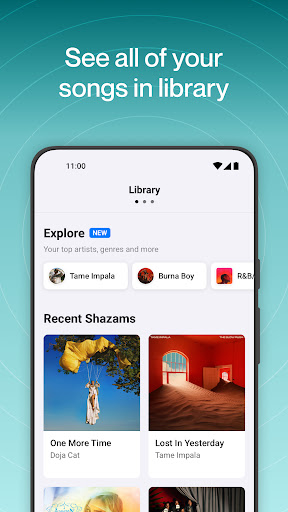
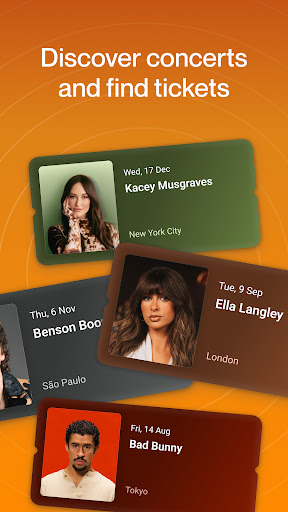
Past the core song-ID function, Shazam layers on real-time lyrics, music videos, charts showing what’s trending locally and globally, and concert discovery for artists you’ve shazammed before. It can auto-add discovered songs to your Apple Music or Spotify library, which several reviewers mention as a genuinely convenient way to build playlists without manually searching for tracks later. The sharing options through Snapchat, WhatsApp, Instagram, and X mean it doubles as a quick way to settle arguments about what song is playing, something one reviewer specifically mentions using it for with friends at a bar.
The Verdict
Shazam remains a genuinely useful, mostly reliable tool for the specific job it’s built for: naming a song you’re hearing right now. It’s not going to nail every result, and headphone-based recognition along with occasional inaccurate matches are real, recurring complaints, but the sheer volume of positive long-term users suggests these are exceptions rather than the norm. Anyone who regularly encounters unknown music, whether in public, on social apps, or through movies and ads, will get consistent value from installing it. If your main listening happens entirely through earbuds, temper expectations slightly, since that’s the one scenario where multiple users report it falling short.


