



What Pingo Actually Does
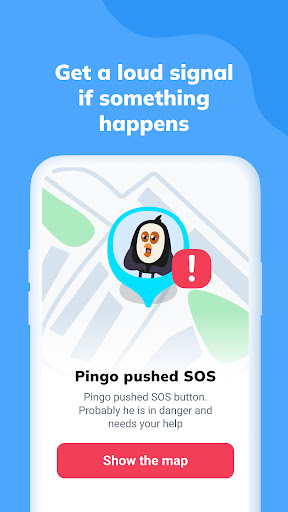
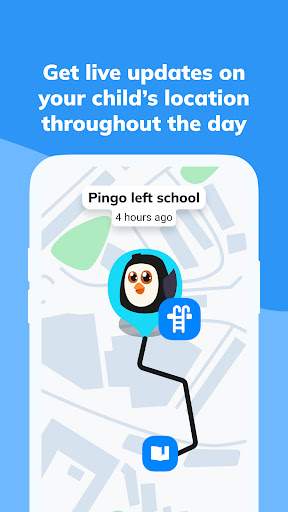
Pingo is the child-side companion to the Findmykids parent app. A parent installs Findmykids on their own phone, then puts Pingo on the child’s or teen’s device, links the two with a code, and can then see location history, listen to the phone’s surroundings, send a loud ‘find my phone’ signal, check screen time and app usage, get arrival notifications for places like school or home, monitor battery level, and chat with the child through an in-app messenger. It’s built for parents of younger kids or tweens who want a GPS tracker plus light parental controls, and it also pairs with kid smartwatches for children who don’t have a phone yet.
Where It Works As Advertised
When set up correctly, reviewers confirm the core promise holds up at first: live location tracking, notifications, and the parent-child chat function as described, and for basic ‘where is my kid right now’ use, the free tier does deliver on that single feature. Parents who just want a simple map view without paying for a subscription can get that much without hitting a paywall.
Battery Drain And Setup Reliability Are Real Problems
The most consistent complaint across reviews is battery drain, with multiple users independently reporting the app drains batteries several times faster than normal, and one review noting the app shuts itself off once the battery drops below roughly 50%. Setup is also fragile: several parents describe the app working once and then silently failing, tracking stopping without warning, or the app repeatedly asking them to ‘re-set up’ a phone that was already configured. The ‘sound around’ listening feature is reported by more than one user as simply not working at all, which undercuts one of the app’s headline safety features. Account recovery is another sore spot, with one reviewer saying the ‘forgot password’ process took over a week, effectively locking them out of a service they’d already paid for.
The Privacy And Trust Backlash From Kids
A large share of the most-upvoted reviews are not from parents but from the children and teens being tracked, and they are blunt: they describe feeling stalked, controlled, and ‘like a pet,’ with one saying they were forced by a parent to install it and now feel they have no privacy at all, including audio being listened to. Several teen reviewers explicitly warn parents that the app damages trust and family relationships rather than building safety, and one raises fear of being recorded in bullying situations. This isn’t a minor UX complaint — it’s a pattern of genuine emotional pushback that any parent considering covert or non-consensual monitoring should take seriously.
Who Should Actually Download This
Pingo may suit parents of young children who want basic location awareness and are upfront with their kid about it, and who are willing to tolerate noticeable battery drain and occasional tracking dropouts. It’s a poor fit for parents hoping for reliable, always-on covert monitoring of a teen, or anyone expecting the paid subscription to guarantee smooth screen-time and audio features — both the technical complaints and the teen backlash suggest the gap between marketing and real-world experience is significant.


