



What Phoenix Actually Does
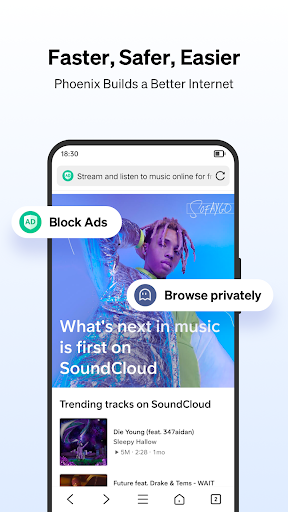
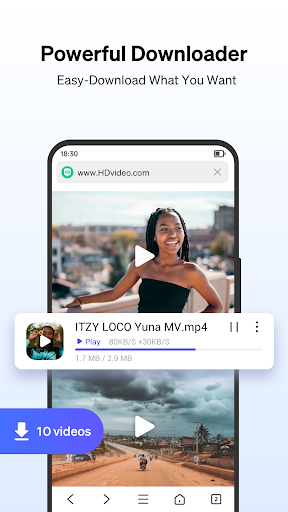
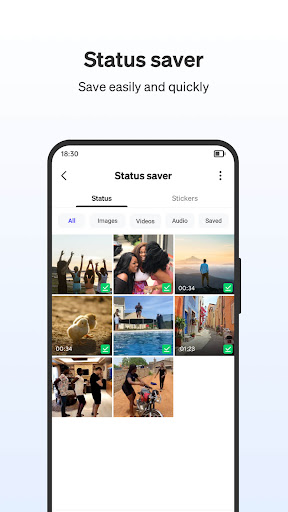
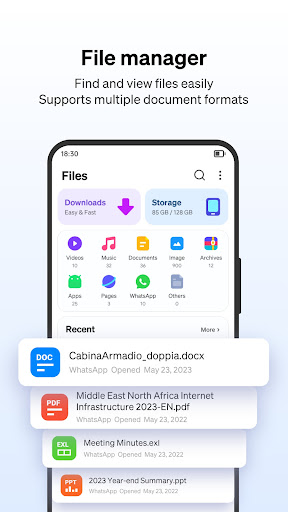
Phoenix is an Android browser built around three pitches: faster page loads on weak connections, a built-in video downloader that grabs content from sites like Facebook and Instagram, and a data-saving mode that compresses traffic before it hits your phone. It also bundles a file manager, a WhatsApp Status Saver plugin, an ad blocker, and an incognito mode. This isn’t a browser aimed at power users who want tab syncing across five devices and a dozen extensions. It’s aimed at people on limited data plans, older phones, or slower networks who want to browse quickly and pull down videos without a separate app.
The download situation is worth being upfront about: YouTube downloading is explicitly blocked due to Google’s policy, so if that’s your main use case, look elsewhere. For other social platforms, the smart detection feature does what it promises according to users, flagging downloadable videos with an icon as you browse.
Where It Genuinely Delivers
The ad blocker gets specific praise from long-time users, with one reviewer calling its efficiency ‘just about unrivaled’ after switching over from the discontinued Cheetah Browser. Data savings also show up as a real strength rather than marketing fluff — one user directly compared Phoenix against Brave and Opera and found those competitors used noticeably more cellular data, while Phoenix kept consumption down. For anyone paying per gigabyte, that’s not a small thing.
The multi-tab manager and quick access shortcuts for sites like Facebook and Amazon work as basic quality-of-life additions, and the built-in video player means you don’t have to bounce between apps to watch what you’ve downloaded. For a free browser with this feature list, the core promise of speed plus savings seems to land for a meaningful chunk of its user base.
The Navigation Quirks That Frustrate Users
Several recurring complaints center on browsing behavior that deviates from what people expect. One reviewer flagged that the back button preserves page state exactly as you left it — so if you sorted a product list, going back keeps that sort instead of reverting to default, which isn’t how most browsers behave. Another persistent issue is the address bar auto-hiding with no way to disable it, which one user called out specifically while otherwise praising the browser’s navigation button layout compared to Firefox, Chrome, and Brave.
There’s also a reported bug involving a small colored site icon that appears during page load and, instead of disappearing, stays fixed in the middle of the screen pulsing and blocking interaction. That’s the kind of bug that undermines trust in an app marketed on speed and smoothness.
Reliability and Permission Concerns
A recurring complaint is a ‘Down for Maintenance 429’ error that intermittently blocks pages from loading for unpredictable stretches of time before resolving itself, which is a serious issue for a browser whose entire selling point is fast access. On the permissions side, the developer’s own description acknowledges requesting All Files Access (MANAGE_EXTERNAL_STORAGE), and at least one user reported this went further than expected — the app reportedly began interfering with cleanup processes in unrelated apps during uninstalls. For a browser, that’s a legitimate red flag worth weighing against the convenience of its file manager.
Missing Customization Options
Beyond bugs, users are asking for basic personalization that isn’t there yet: a toggle to remove the ‘most visited’ tile grid from the homepage, the ability to set a custom background image, a quick-switch dropdown for search engines instead of digging through settings, and an option to force the browser to always prompt for a download location rather than choosing automatically. None of these are dealbreakers individually, but together they suggest a browser that nailed its core compression and download engine before polishing the everyday interface.
Final Verdict
Phoenix makes the most sense for users on tight data plans or slower connections who mainly want fast page loads, solid ad blocking, and easy downloading from non-YouTube social platforms. It’s less suited to anyone who wants precise control over storage permissions, a bug-free navigation experience, or heavy customization. Given the mixed reliability reports, it’s worth trying with realistic expectations rather than assuming it’ll be flawless out of the gate.


