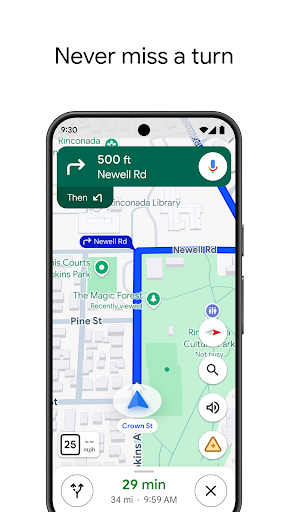
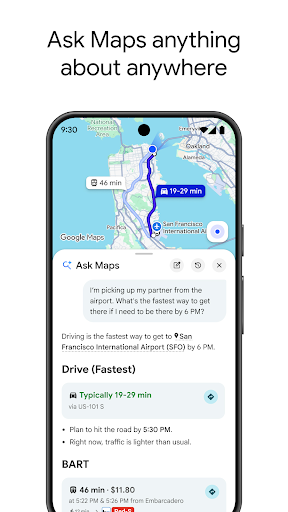
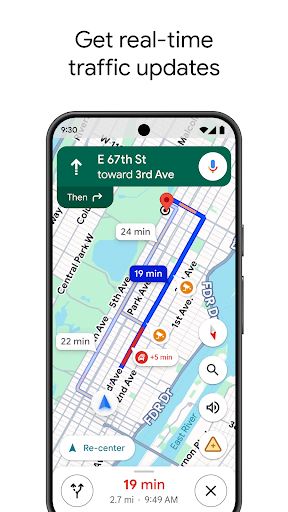
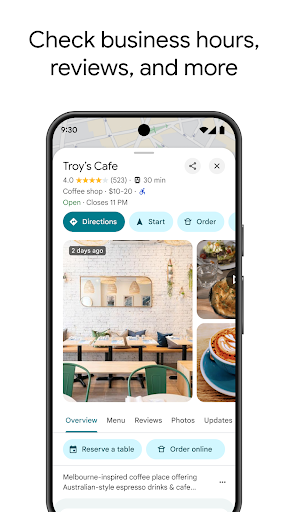
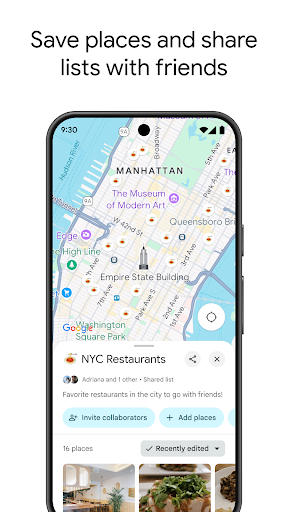
Google Maps is one of those apps that’s so baked into daily life you forget it’s actually doing a ton of work. With over 21 billion installs, it’s essentially the default navigation app for most Android and iPhone users, and for good reason: turn-by-turn directions are reliable, traffic rerouting genuinely saves time, and the sheer database of businesses, hours, and reviews is unmatched by competitors like Apple Maps or Waze in most parts of the world.
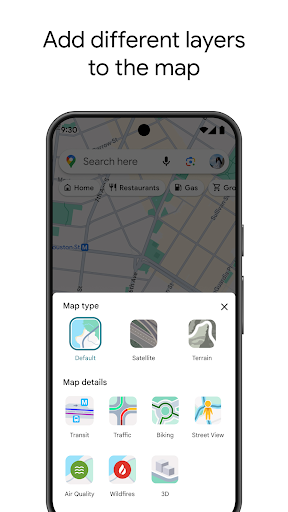
The everyday features hold up well. Live traffic and incident-based rerouting actually work, transit info (bus and train times) is usually accurate in cities with good data coverage, and the ability to see how busy a restaurant is before showing up is a small but genuinely useful touch. Offline maps are a lifesaver for road trips through dead zones, and Street View still comes in handy for scoping out confusing parking lots or building entrances before you arrive.
That said, it’s not without frustrations. The app has gotten heavier over the years, with features like Immersive View, Lens, delivery ordering, and hotel booking bolted on until the interface feels cluttered compared to its earlier, simpler self. Battery drain during long navigation sessions is a real complaint, and in smaller towns or rural areas the business data and reviews can be outdated or just plain wrong. Voice guidance occasionally mistimes turns on complex highway interchanges, which is annoying when you’re relying on it in unfamiliar territory.
Still, there’s a reason it’s basically universal at this point. Few apps aggregate this much practical, real-time information about the physical world in one place, and the free price tag makes the occasional glitch easy to forgive. It’s not perfect, but it’s hard to imagine traveling without it.