

What FlixBus Does and Who It’s For
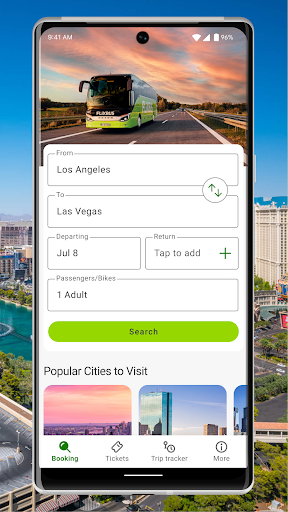
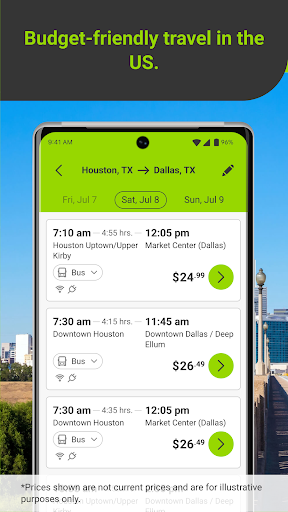
FlixBus is a booking app for intercity bus travel in the US, letting you search routes, compare fares, reserve a seat and pull up a mobile ticket without printing anything. It also folds in Greyhound routes, so you can book both networks from one app. It’s aimed at budget-conscious travelers doing city-to-city hops like New York to Boston or Houston to Dallas, plus longer overnight trips, and at anyone who wants live tracking instead of standing at a curb guessing when the bus will show.
Booking Speed and Everyday Usability
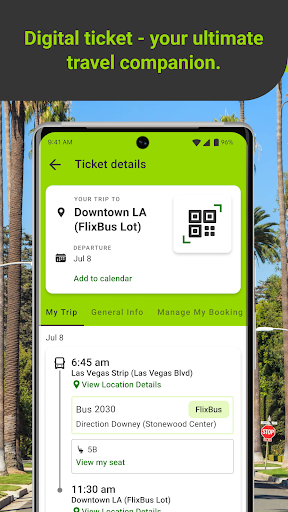
The core booking flow gets consistent praise: users describe it as easy and quick for searching a destination and locking in a ticket. Mobile tickets with a scannable QR code, even offline, are a genuine convenience at boarding. For a simple point-to-point trip with no last-minute changes, the app does what it promises.
Where the Experience Falls Apart
The complaints cluster around money and reliability. One reviewer flagged a real price gap between app and website pricing for the same route, calling it shady. Others describe surge-like pricing close to departure, with fares jumping as high as $42 on buses running at roughly 40% capacity. Cancellations are a bigger sore point: several users report trips cancelled by FlixBus itself with no in-app explanation, then getting hit with a cancellation fee to rebook onto a different, pricier departure. Refunds aren’t offered at all in these cases, only credit toward a future ride, which is little comfort if your travel plans don’t allow for a do-over.
Real-Time Tracking Isn’t Always Real
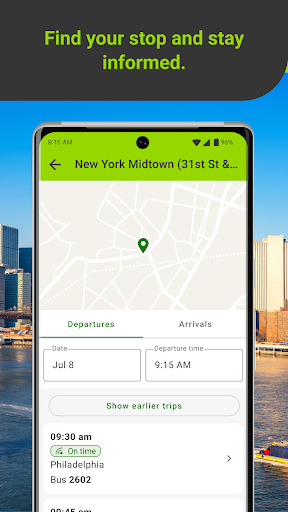
Live bus tracking is one of the app’s headline features, but the reviews say it doesn’t hold up under pressure. One user never received a text alert when their bus was running an hour late, and another described arrival times not matching the posted station boards at all, with no reliable way to swap onto a delayed bus that effectively became the later scheduled departure. For a feature marketed as reducing travel stress, the gap between what’s promised and what’s delivered is one of the more consistent frustrations.
Small Annoyances Worth Knowing Before You Book
A few smaller issues add friction: the app won’t show departure or arrival station addresses without starting the ticket purchase process first, forcing users to dig through a booking they may not complete. Paying extra for a reserved seat also doesn’t guarantee you’ll actually get to keep it, according to one review. And punctuality cuts both ways, doors close exactly at departure time with no exceptions, so arriving even a minute late means missing the bus entirely.
Verdict: Who Should Actually Download This
FlixBus is a reasonable pick if your trip is simple, your schedule is flexible, and you’re booking well ahead of departure to lock in a lower fare. It’s a riskier choice if you need firm refund guarantees, can’t tolerate a cancelled trip turning into an unexpected fee, or you’re relying heavily on tracking accuracy for tight connections. Budget travelers who can shrug off occasional disruptions will likely still get value here; anyone booking last-minute or on a rigid itinerary should read the cancellation policy closely first.