

What This App Is Supposed to Do
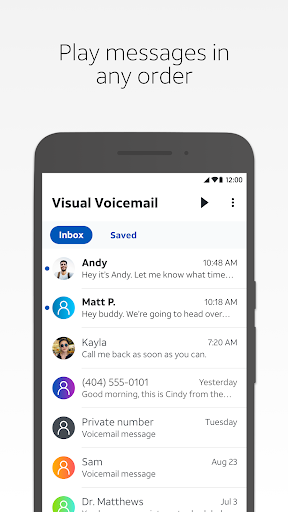
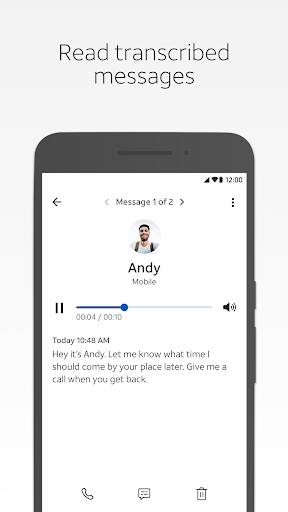
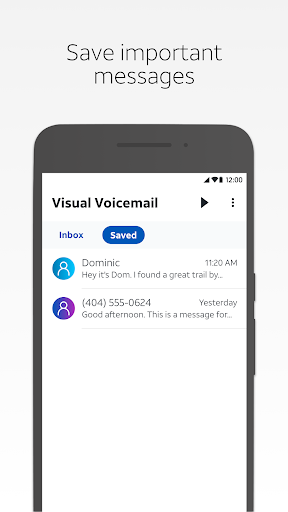
AT&T Visual Voicemail is a carrier-provided app that lets AT&T customers on Android see their voicemails as a list, play them in any order, read text transcriptions, save messages, and share them via email, text, or cloud storage. It replaces the old-school method of dialing into a mailbox and listening to messages in sequence. It’s aimed squarely at AT&T subscribers whose phones don’t already include a native visual voicemail feature, since AT&T requires many devices to use this app instead. It needs a data or Wi-Fi Calling connection to function, and it won’t work on Wi-Fi only.
Where It Actually Delivers
When it works, the core concept is sound: you get a visual list of voicemails instead of navigating a phone tree, and you can jump straight to the message you care about. The idea of transcriptions and cloud sharing is genuinely useful on paper, and for users whose setup goes smoothly, the basic play-and-manage workflow does what’s promised. Unfortunately, based on the volume of user complaints, this smooth experience seems to be the exception rather than the rule.
The Setup and Reliability Problems Users Keep Reporting
The most damning feedback centers on setup itself. One reviewer described spending over two hours stuck on a spinning ‘Setting up your account’ screen with no resolution, and reported the same failure a year later. Beyond setup, multiple users describe voicemails arriving days late, or not being delivered at all until a sudden flood of notifications appears at odd hours for messages that are months old. Another common complaint is that the app only pulls through a small fraction of actual voicemails, forcing people back to the old dial-in system they were trying to avoid.
Transcriptions and Notifications Are Widely Criticized
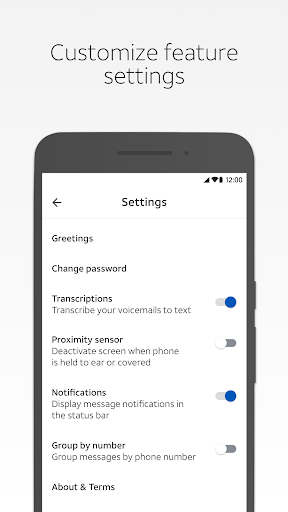
Text transcription, one of the headline features, is repeatedly called out as inaccurate to the point of being useless, with reviewers noting misspelled words and nonsensical output that requires listening to the original message anyway. Notifications are also inconsistent in the opposite direction: some users report never being notified of new voicemails without rebooting their phone, while others say the app fires repeated, excessive notifications even while they’re actively listening to a message. Neither behavior is what you want from a utility app meant to simplify voicemail management.
Who Should Actually Install This
If your AT&T Android phone blocks native visual voicemail and forces you into this app, you may not have much choice, and it’s worth trying since results seem to vary by device and account setup. But given the consistent, high-volume complaints about failed setups, delayed or missing messages, and unreliable transcriptions, this isn’t an app to install expecting a polished experience. Users who rely on timely voicemail alerts for work or personal reasons should have a backup plan, such as checking the traditional dial-in mailbox periodically, since this app has a track record of dropping messages or delivering them well after the fact.