What Grindr Actually Is and Who It’s For
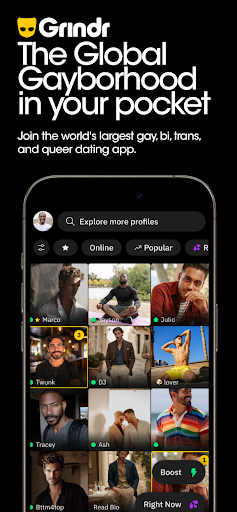
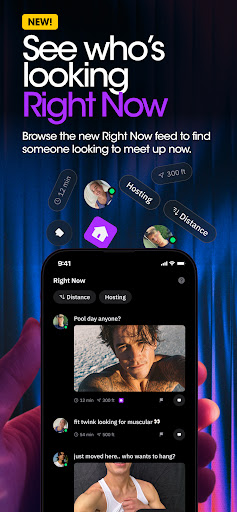
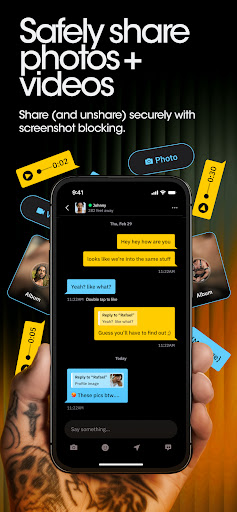
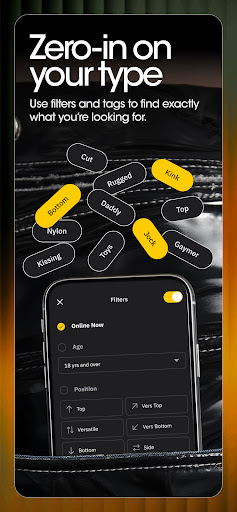
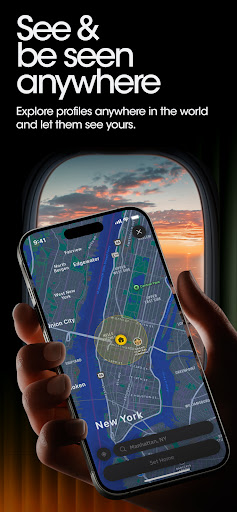
Grindr is a location-based social and dating app aimed at gay, bi, trans, and queer men who want to meet people nearby for chat, dates, friendships, or hookups. The core idea hasn’t changed in years: you get a grid of nearby profiles, can message and share photos, tag your interests, and filter by what you’re looking for. It’s built for anyone in the GBTQ community, from locals looking for a quick connection to travelers wanting tips from people on the ground in a new city.
Where It Still Delivers
When it works, Grindr works because of sheer scale. With well over 86 million installs, the grid is rarely empty in any populated area, and the tagging and filtering tools give you a reasonable way to narrow down who you’re seeing. Reviewers note the filters are genuinely better than some competitors like Scruff, and the basic premise of finding someone nearby for a chat or meetup still functions as advertised. For travelers, the promise of connecting with locals for recommendations is a real feature, not just marketing copy.
The Ad Overload Problem
This is the single biggest complaint across user reviews, and it’s hard to overstate. Multiple reviewers describe ads interrupting them mid-message, causing them to lose typed-out text entirely, with one calling it ‘deplorable.’ Another user counted needing 3 to 4 clicks just to close a single ad, and several describe ads appearing after nearly every tap: opening a message, clearing a notification, or backing out of a screen. One reviewer bluntly said the app ‘now has more ads than profiles.’ This isn’t an occasional annoyance, it’s described as constant and disruptive to basic use.
Paywalls, Pricing, and Restrictive Free Features
Beyond ads, reviewers consistently report that the free version is barely usable, with one reviewer stating you ‘literally can’t do anything unless you pay,’ and that even after paying, settings remain restrictive. Pricing complaints are specific too, with one user citing $20 a month and another $14 a week to remove ads, both seen as steep for what’s delivered. There are also complaints about the app pushing forced updates that some phones can’t accommodate due to storage, effectively locking longtime users out.
Account Bans and Support Gaps
Several reviewers report being banned without explanation, describing an appeals system that seems overwhelmed or overly automated. Support response is another sore spot, with one reviewer noting the app tells you to contact support but ‘almost never’ responds. There are also complaints about location relevance, with one user noting 80% of nearby profiles were 75+ miles away, undermining the local-connection pitch entirely.
Final Verdict: Proceed With Caution
Grindr still has the user base to make it functional for casual connections, and its filtering and tagging tools are legitimately useful when you can actually use the app without interruption. But the ad frequency, aggressive paywalling, unexplained bans, and weak support are serious, recurring complaints from a large volume of reviewers, not isolated gripes. If you’re in a dense urban area and willing to pay for XTRA or Unlimited, it may still be worth trying. If you’re hoping for a smooth free experience, expect frustration.