
What This Raft Game Actually Asks You To Do
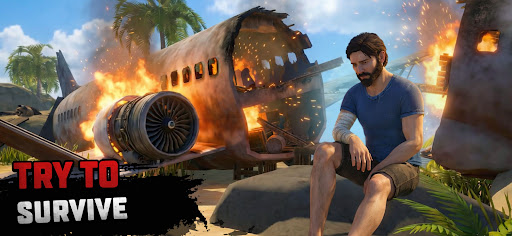
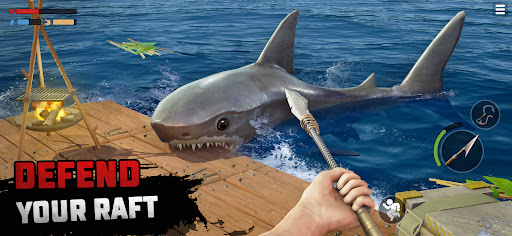
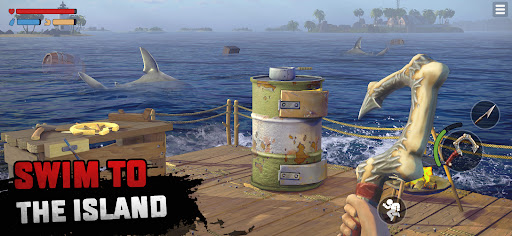
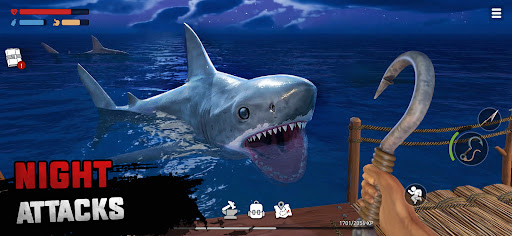
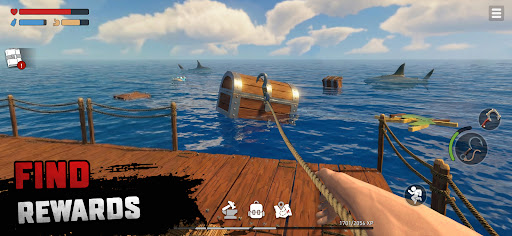
Raft Survival: Ocean Nomad drops you onto a small floating platform in the middle of an endless ocean and tasks you with the usual survival loop: hook floating debris and crates for resources, craft tools and weapons, expand your raft, and fend off sharks while sailing between islands to scavenge for better gear. It borrows heavily from the well-known raft survival formula, adding RPG-style crafting, armor sets, and story bits about a mysterious cataclysm that flooded the world. It’s aimed at players who enjoy slow-burn survival simulators with a crafting grind, and it does work offline, which is a nice touch for a mobile title in this genre.
The Crafting and Building Loop Works Well
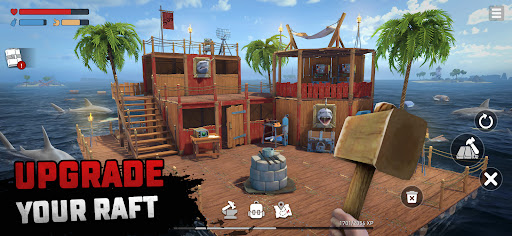
When the game is left to just be a game, it’s genuinely enjoyable. Multiple reviewers say it’s one of the better raft survival titles they’ve played, praising the building and upgrading system and the sense of progression as you expand your raft and gear up to hunt sharks. The core gameplay loop of fishing, hooking debris, building out your floating base, and exploring islands for resources holds up and gives a real sense of accomplishment when your raft goes from a few planks to a proper multi-room base.
Where the Monetization Gets in the Way
The most consistent complaint across reviews is how aggressively the game gates basic functionality behind payments or ads. Players report being limited to just two production slots, a single storage chest, and only two machines running at once unless you pay real money or grind through ad-watching. One reviewer described the free version as feeling like a demo, and another said they sank around $50 into the game over the years just to get enough chests and slots to play comfortably. Several reviewers who initially rated the game highly still note there’s an ad wall right when you open the app, and that unlocking basic upgrades often requires watching three ads in a row, only for the reward to sometimes not register properly.
Progress Loss and Update Problems Are a Real Risk
Beyond the monetization friction, there are recurring complaints about progress being wiped or reset after updates. One player says they reached level 27 with substantial base-building progress only to be knocked back to level 16, and support reportedly did not respond right away, though it was eventually resolved. Another reviewer says they returned after a break to find the game essentially unplayable without buying coins, having previously reached level 23. A separate complaint mentions that a past update removed arrows and bullets from crafting, which one long-time fan says has hurt their enjoyment of combat significantly. These aren’t isolated one-off gripes; they show up across multiple reviews as a pattern of updates changing core mechanics or resetting hard-earned progress.
Ads, Storage Caps, and Fairness for Free Players
Even players giving the game middling scores bring up the same specific frustrations: storage maxing out at just a handful of chests, needing to pay to unlock a wider variety of avatar skins, and machine-slot limits that make basic crafting tedious without spending. One reviewer put it bluntly, saying they’d prefer a one-time payment for the full game rather than a constant drip of ad walls and paywalled convenience features. This is a genre where grinding is expected, but the reviews suggest the free experience here is tuned to nudge you toward spending fairly early and fairly often.
Who Should Actually Download This
If you enjoy raft and survival simulators and can tolerate frequent ads plus real paywalls around storage and crafting slots, there’s a competent survival game underneath all of it, and the core building and combat loop has earned genuine fans. But if you’re expecting a fair free-to-play experience without heavy monetization pressure, or you’re worried about losing hours of progress to an update or a support ticket that goes unanswered, this one comes with real risk. Go in expecting to either pay something eventually or accept a slower, more restricted experience, and back up your expectations accordingly.