What Pokémon GO Actually Is and Who It’s For
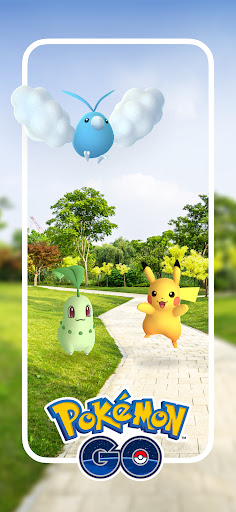
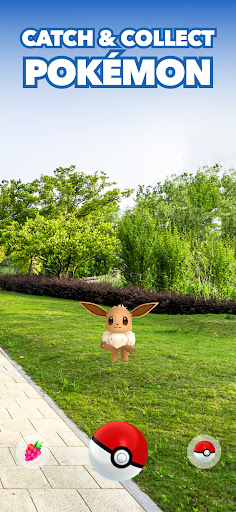
Pokémon GO is Niantic’s augmented-reality adventure game that turns your neighborhood into a Pokémon-catching playground. Using your phone’s GPS, it overlays Pokémon onto real-world locations, encouraging you to walk to PokéStops, spin gyms, and battle other trainers in person. It’s built for people who grew up with the franchise or anyone who likes a reason to get outside, and it works best with a smartphone (not a tablet) and an active data connection, since Wi-Fi-only devices and GPS-less devices aren’t reliably supported.
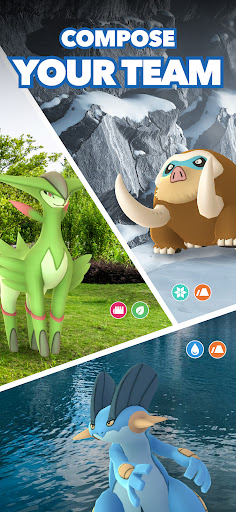
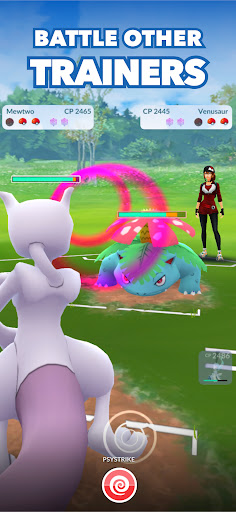
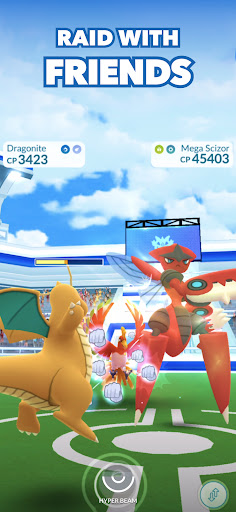
Eight-plus years in, this is still fundamentally a walking game with collection mechanics layered on top: Pokédex completion, Buddy Pokémon, Gym battles, and Raid Battles where you team up with other trainers to take down tough Pokémon. If the idea of combining exercise with nostalgia appeals to you, this is squarely built for that audience.
The Core Loop Still Holds Up
One long-time player summed it up well: it’s ‘as immersive as you allow it to be,’ and that’s the honest core of the experience. The framework is dated, but it gets the job done, and the addictive pull of catching, spinning stops, and raiding with others is real. Reviewers note there’s more to do than ever, from Buddy interactions to Gym battles to cooperative Raids, and for players willing to lean into it, the game remains genuinely fun and does get you moving, which is exactly what it promises.
The social side, particularly Raid Battles that require teaming up with nearby trainers, is still one of the more compelling reasons to keep playing, since it creates real-world meetups around a shared goal that few other mobile games replicate.
Stability Problems That Keep Resurfacing
The most consistent complaint across reviews is technical instability. Multiple players describe lag, crashes, and freezing tied to specific updates, including issues that emerged after biome changes, affecting catching, trading, opening gifts, raiding, and even the Go Battle League. One player noted the game crashes specifically when bringing out a Buddy Pokémon or taking a snapshot of it. Another long-standing gripe: the app still doesn’t reliably reconnect after a dropped connection, a problem that’s persisted for a long time without a fix.
Customer support also draws criticism, with one reviewer saying support reps just repeat the same canned information without actually resolving issues, including lost access to the companion Campfire app.
Monetization and Event Fatigue
Several reviews point to a shift toward pay-to-play dynamics. One trainer who’s played since release says paying players now get outsized perks, and facing them in competitive play feels unfair, especially with only one free raid pass available per day. Others are frustrated with the event structure itself: long battle-pass-style events with what one reviewer called ‘bland rewards’ that require excessive grinding, replacing the shorter, more digestible Timed Research tasks that used to wrap up in a couple of days.
Smaller quality-of-life requests keep surfacing too, like the absence of a dark mode this far into the game’s lifespan, and a daily coin cap that feels arbitrary rather than tied to actual time invested defending gyms.
Who Should Actually Download This
Pokémon GO makes sense for fans of the franchise, people looking for a low-stakes reason to walk more, and anyone who enjoys casual social gaming with neighbors or friends via raids and gym battles. It’s less suited for players who dislike grinding through lengthy events, expect polished performance after this many years, or want a level playing field without spending money.
Go in expecting an outdated but functional framework, occasional crashes depending on your device and the current update, and a monetization model that increasingly favors paying trainers. If you can treat it as a casual, walk-focused hobby rather than a competitive priority, there’s still a lot of genuine fun here, but manage your expectations around stability and event pacing before committing serious time.