

What This Cooking Game Actually Offers
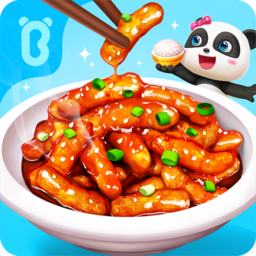
Little Panda’s Chinese Recipes is a BabyBus cooking simulator aimed at young kids, built around Chinese cuisine instead of the usual burgers-and-fries formula most kitchen games use. You work through 14 restaurants and dishes, from noodles and dumplings to Peking duck, steamed fish, zongzi, and tanghulu, using simple tap-and-drag steps to chop, fry, steam, or boil ingredients. Customers, including panda characters, react to what you serve them, which gives kids a basic feedback loop for figuring out what worked. It’s clearly built for a preschool-to-early-elementary audience, not older kids looking for depth or challenge.
Where It Genuinely Succeeds
Reviewers consistently call it cute, smooth, and easy for kids to pick up, and the range of dishes gives it more variety than a lot of similar apps. One player specifically praised the hot pot stage for its toppings and flavor combinations, and another liked that customers don’t demand a specific dish, letting the player decide what to cook instead of following rigid orders. That small design choice makes the game feel more like open-ended play than a strict task list, which matters for a young audience that gets frustrated by failure states. The animal customers eating the food is also called out as a genuine highlight, giving the cooking a payoff beyond just finishing a recipe.
The Ads Problem Is Real and Frequent
The most repeated complaint across reviews is ad frequency, and it’s not a minor gripe. One user counted three ads within a single minute, including one right after login and one after each cooking step, and called it ‘ridiculous’ for a children’s app. Others describe pop-ups appearing after nearly every dish is made, and a workaround where tapping the ‘x’ early can dismiss a countdown-style ad before it finishes. Even the more positive reviews, which land on 4 and 5 stars, still flag ads as an annoyance they had to mention, which tells you it’s not an edge case some players hit and others don’t; it’s a consistent part of the experience.
Monetization Changes Have Frustrated Longtime Players
Several reviewers who returned to the app after playing years earlier noticed that content once free is now locked behind payment. One specifically says dumpling-making used to be free before 2020 and now costs money, and another echoes that multiple shops that used to be open are now paywalled. This isn’t just a pricing gripe, it’s a nostalgia letdown for users who remember a more generous version of the app, and it suggests the free experience has been narrowed over time in favor of paid unlocks. For new players this may matter less, but it’s worth knowing that ‘free’ now comes with more restrictions than it used to.
Who Should Actually Download This
If you want a low-stakes, visually charming cooking game to hand to a young child, especially one curious about Chinese food and culture, this delivers on that specific promise. The steps are simple enough for small hands, the dish variety is a nice change from Western fast-food clones, and there’s no real way to lose or fail badly, which suits the intended age group. It’s not for older kids or teens looking for a challenge, and it’s not for parents who want a genuinely ad-light experience, since the ad load is frequent enough that active supervision or a willingness to tap through interruptions is basically required. Anyone expecting the fully free experience some older reviews describe should also go in knowing that certain dishes and restaurants likely require payment now. Taken as what it is, a bite-sized, culturally distinct cooking toy for young children, it holds up reasonably well; taken as a polished, interruption-free app, it falls short, and that gap is exactly what the reviews reflect.