

What This Robot-Building Brawler Actually Is
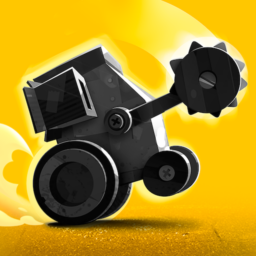
CATS: Crash Arena Turbo Stars puts you in the role of a backyard engineer who bolts weapons onto a rolling chassis and sends it out to fight another player’s creation in a 1v1 arena. You are not directly controlling the fight; instead you pick attachments (crushers, saws, rockets, and more), place them on your vehicle, and watch an automated battle play out. It’s part deck-builder, part physics toy, and the appeal is figuring out which combination of parts beats what your opponent is running. It’s aimed at players who like tinkering and light strategy more than twitch reflexes, and the huge install base and review count suggest it has found a wide, casual audience over its several years online.
The Tinkering Loop Is Genuinely Satisfying Early On
The core hook works. One long-time player says they’ve been playing for three years and it ‘remained my favorite,’ praising the developers for staying on top of bug fixes and improving gameplay. Another reviewer who used to give it five stars described the part-matching aspect as ‘a fun puzzle figuring out which would win,’ which captures what the game does well when it’s firing on all cylinders: experimenting with chassis and weapon combos to counter what you’re facing feels clever, not just grindy, at least in the opening hours.
The Difficulty and Monetization Wall You’ll Hit
The praise comes with an asterisk almost every time. Multiple reviewers describe a steep difficulty spike after the beginner levels, with one noting enemies suddenly have ‘4 to 5 times your health’ once you’re past the early game. That spike lines up directly with the monetization push — several reviews call it a ‘cash grab’ aimed at whales, with microtransactions running $5 to $20 a pop for parts. One player who paid to remove ads was still hit with pressure to spend on top of that, which is a rough combination: you can pay to remove ads and still feel nudged toward paying again for competitive parts.
Ads, Repetition, and a Changed Matchmaking System
Even players who stick with the game complain about the ad load. One reviewer flatly says an ad ‘after literally every game is uncalled for,’ and pushes back on the developers’ claim that ads aren’t meant to be intrusive. Others note the game is ‘a lot more enjoyable’ with ads disabled, which more or less confirms the ad frequency is a real tax on the experience if you don’t pay. Beyond ads, longtime players have flagged that the part-betting and matchmaking system changed for the worse — one reviewer who used to rate it five stars says the loadout diversity disappeared and matches now feel more like mirrors than the varied puzzle it used to be. There’s also a structural complaint about the prestige system: progressing far enough resets your normal parts, which multiple players feel undercuts the point of grinding for them in the first place, especially if you spent real money on those parts.
Who Should Actually Download CATS
If you enjoy slow, methodical build-and-test loops and don’t mind watching battles play out rather than controlling them directly, there’s a real game here, and it can apparently hold your attention for years, as some reviews attest. It’s also genuinely playable without spending money, according to longtime free players, which is worth something in this genre. But go in knowing the honeymoon phase ends: expect a hard difficulty wall once you clear the tutorial content, expect an ad between nearly every match unless you pay to remove them, and expect ongoing pressure to buy parts if you want to keep up with the Championship ladder. Casual players who just want a few matches here and there, and who can tolerate ads and uneven matchups, will get reasonable mileage out of it. Competitive players who hate pay-to-win dynamics, or anyone who gets frustrated by resets wiping out progress, should probably skip it or go in with very limited expectations.