

What Venmo Actually Does
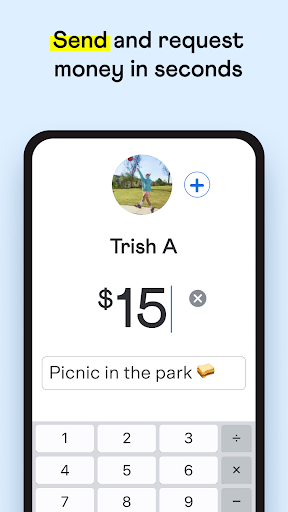
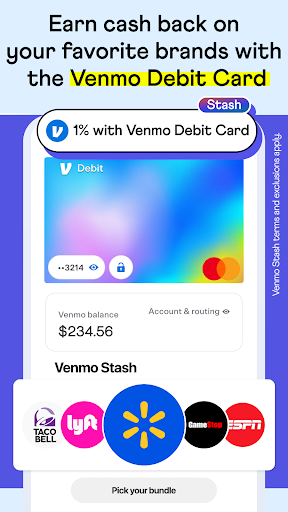
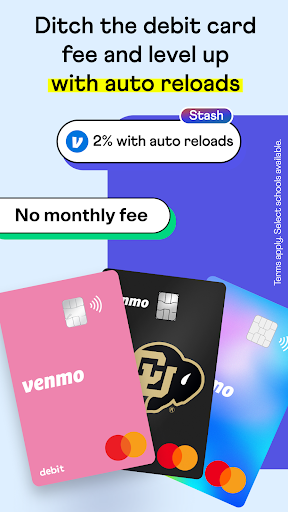
Venmo is a peer-to-peer payment app that lets you send and receive money for everyday things like splitting rent, paying back a friend, or chipping in for a group gift. It has grown well beyond simple transfers, now offering a Venmo debit card, a credit card issued through Synchrony Bank, cryptocurrency purchases starting at $1, teen accounts, business profiles, and direct deposit for paychecks. With over 90 million users, it’s aimed at anyone who needs to move money quickly between friends, family, or small business customers, not just college roommates settling a bar tab.
Where It Genuinely Works Well
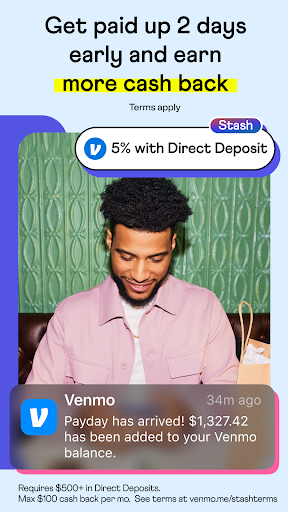
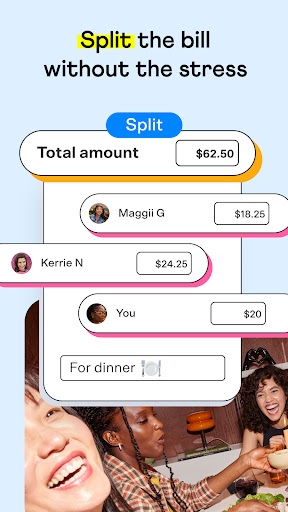
The core function, sending and requesting money with a note attached, still does what it promises for most people. The ability to split a request among multiple Venmo friends and customize how much each person owes is a genuinely useful feature for group expenses. Instant Transfer can get money into your bank within minutes, and Direct Deposit can post paychecks up to two days early if your employer supports it. For casual users just moving cash between friends, the basic experience remains fast and familiar.
The Errors and Glitches Users Keep Hitting
Real user feedback points to a pattern of technical breakdowns that go beyond minor annoyances. One reviewer described notifications getting permanently stuck after the first tap, requiring a manual swipe to clear. Another said the app couldn’t correctly track balances and processed the same bill payment twice after showing it had failed. A business account user reported that tap-to-pay never worked, constantly returning a ‘something went wrong’ error, which defeated the entire purpose of upgrading to a business profile. Profile picture updates have also thrown persistent system errors that survived reinstalls and cache clears.
Account Freezes and Trust Issues
The more serious complaints involve money access and account verification. Multiple reviewers reported being unable to change their legal name despite identity verification going through, which then blocked them from getting a debit card. Another described a $540 payment that was rejected because Venmo ‘didn’t think it was you,’ with the funds then disappearing from the account entirely. A separate reviewer got the debit card specifically to avoid transfer fees, only to have small, well-funded purchases randomly declined. These aren’t cosmetic bugs; they directly affect whether people can access their own money.
Restrictions Some Users Don’t Expect
At least one reviewer was caught off guard to learn that legal purchases like ammunition and firearms are prohibited under Venmo’s terms of service, which limited how they could use the debit card for personal spending they’d planned around. Anyone considering Venmo for a specific niche use should check the terms of service first rather than assuming a payment app treats all legal purchases equally.
Who Should Actually Download This
Venmo remains reasonable for casual, low-stakes money transfers between people who trust each other and don’t rely on it as a primary bank. It’s a harder sell for anyone wanting to run a business through tap-to-pay, hold significant balances, or depend on the debit card for daily spending, given the recurring reports of declined transactions, frozen funds, and unresolved account verification problems. If you go beyond simple friend-to-friend payments, be prepared for occasional friction that can take real time to sort out.