


What Sygic Offers and Who It’s Built For
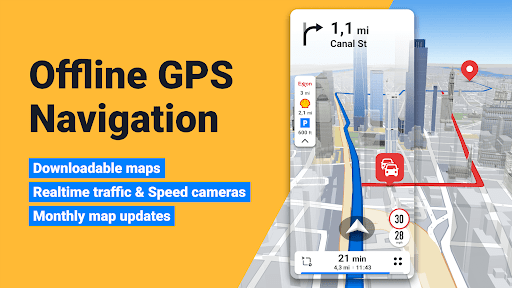
Sygic GPS Navigation & Maps is an offline-first navigation app aimed at drivers who want turn-by-turn directions without burning mobile data, plus riders who can switch into a dedicated motorbike mode. With over 95 million installs, it has a large user base that relies on its offline 3D maps, speed camera alerts, and live traffic data. It’s positioned as an alternative to Google Maps or Waze for people who drive through areas with patchy signal or who cross borders often and want to dodge roaming charges.
The core pitch is straightforward: download maps once, navigate anywhere without internet, and get free map updates multiple times a year. For anyone doing long road trips or international driving, that offline capability is the main draw over data-hungry competitors.
Where the App Actually Delivers
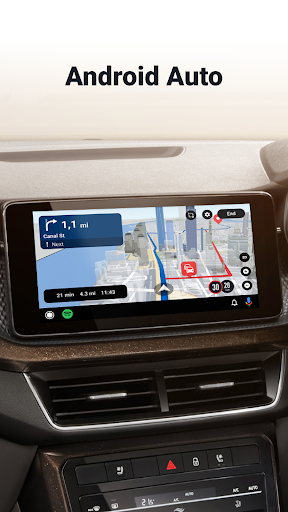
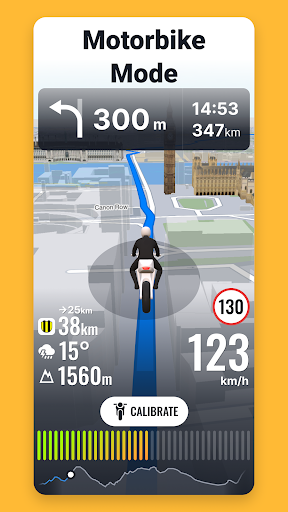
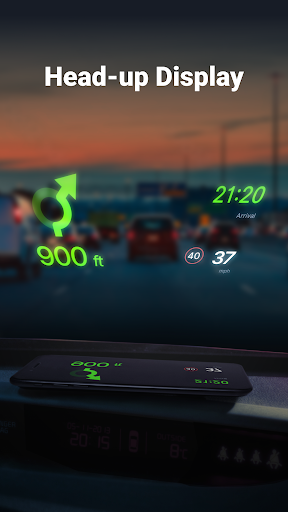
Reviewers confirm the offline maps work as advertised, and the sheer country coverage is a genuine strength for travelers. One long-time user called it ‘a good app’ overall, appreciating the general navigation experience even while flagging some quirks. The motorbike mode with twisty routing and glove-friendly UI is a distinctive feature you won’t find in mainstream map apps, and the addition of Android Auto support, HUD projection, and dashcam recording shows real ambition in the safety-feature department.
The Subscription Backlash Is Real
The biggest recurring complaint in user reviews is the shift to a subscription model. Multiple reviewers who paid full price for a ‘lifetime world license’ in the past are furious about now being asked to pay annually, with one calling it a ‘killer’ change and suggesting a one-time fixed price would be fairer. Another user specifically says Android Auto connectivity used to be free and is now gated behind a paywall, which feels like a bait-and-switch to longtime customers. If you bought this app years ago expecting lifetime access, the current pricing structure will likely frustrate you.
Navigation Accuracy and Rerouting Problems
Beyond pricing, the app’s core navigation logic draws real criticism. Reviewers describe recalculation as ‘wildly long’ and say it often forces an unworkable route instead of adapting to actual driving conditions. Speed limit data is repeatedly called inaccurate, especially on rural roads, and one user reports being charged $200 in congestion fees despite explicitly setting the app to avoid tolls and congestion pricing. Another compared it unfavorably to Google Maps and Waze, saying it talks too much and constantly narrates ‘keep going straight’ through intersections that don’t need it.
Ads, Notifications, and Android Auto Friction
Several users complain about spam notifications and multiple ads loading before the app is even usable, which is a real problem when you need directions quickly. Android Auto integration also has documented friction: one reviewer found that connecting to Android Auto disables the phone app’s own destination entry, forcing reliance on the car’s touchscreen, and that exiting the app sometimes leaves it in a broken half-connected state.
Final Verdict on Downloading Sygic
Sygic still has real value for drivers who need genuine offline maps and motorbike-specific routing, and the feature list is more ambitious than most competitors. But the subscription shift, inconsistent speed limit data, slow rerouting, and ad clutter are significant enough that casual US drivers with reliable data service may be better served by Google Maps or Waze. Try the Premium+ free trial first before committing to a paid plan.


