What Slack Does and Who It’s For
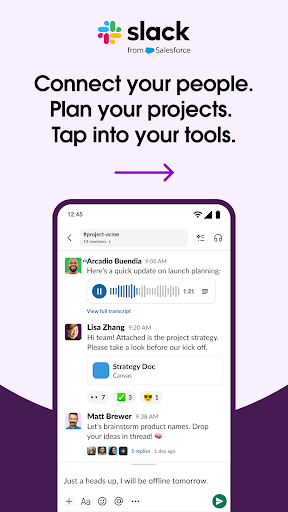
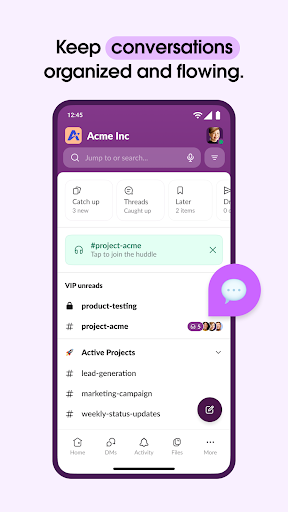
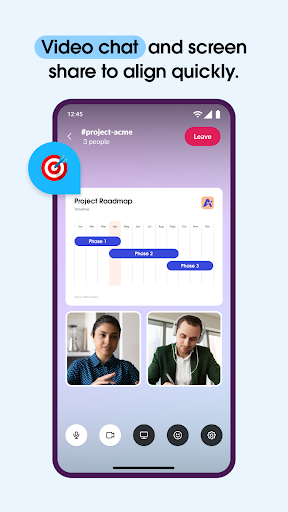
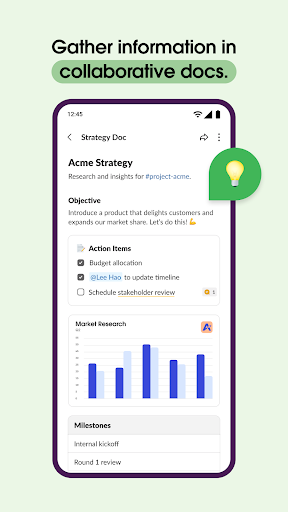
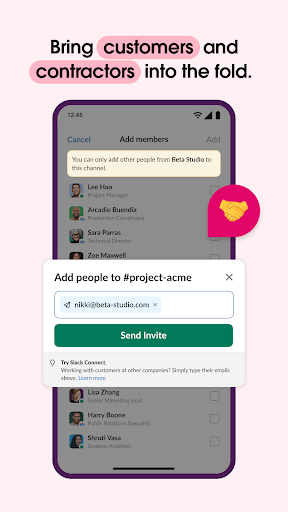
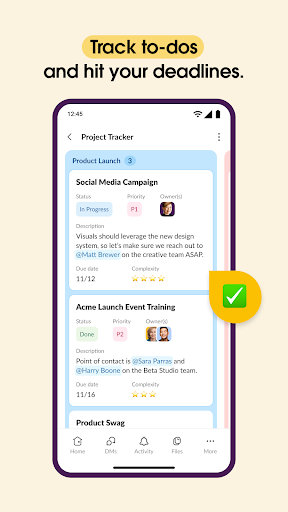
Slack is a workplace messaging app that organizes team communication into channels, direct messages, and threads, with video chat, file sharing, and integrations with over 2,600 third-party apps like Google Drive, Asana, and Figma layered on top. It’s built for businesses of any size that need a central hub for project chatter, and it now bakes in AI-powered search and meeting notes for teams willing to pay for the add-on. If your company already lives in Slack on desktop, the mobile app is meant to be the on-the-go extension of that same workspace.
Where It Actually Delivers
Reviewers consistently praise the core messaging experience: one user called team communication ‘quick and cleanly organized’ and specifically credits improved search and mostly reliable notifications in recent years. For straightforward chat, reminders, and staying in sync with a team, the basics clearly work for a lot of long-time users, and that reliability is likely why it has held onto such a large install base.
Notifications and Sync Problems That Won’t Go Away
Despite the praise for notifications improving ‘in recent years,’ plenty of users report the opposite in practice. One reviewer had to set a periodic alarm just to check for new posts because alerts frequently failed to appear, and complained that DMs are sorted alphabetically instead of chronologically unless you dig into a separate tab. Another described losing entire drafted posts with photos after switching away from the app, with content mysteriously reappearing in the wrong channel. These aren’t minor annoyances for a tool meant to be mission-critical for business workflows.
Device Compatibility Is a Real Dealbreaker for Some
The most ‘useful’ complaint on record is blunt: Slack locks out phones older than three years, even when the device runs 300 other apps without issue. Tablet support has also degraded, with one user saying it no longer works even in a mobile browser on their tablet, forcing them to carry a laptop to conferences instead. Another reviewer said the mobile workspace simply didn’t load at all while the desktop version worked fine, and described support as unable to diagnose the issue after wasting 25 minutes of their time.
Interface Changes Frustrate Longtime Teams
Multiple reviews point to redesigns that made things worse rather than better. One user described a new UI that flattens every workspace to the same layer, resulting in seven identically named ‘announcements’ channels with no way to distinguish them, which they say directly hurt team adoption. Another felt recent simplification stripped away control, singling out the account-linking process and ‘magic link’ email sign-ins as needlessly clunky compared to before.
Who Should Actually Download This
If your organization is already committed to Slack and you have a reasonably modern phone, the mobile app will cover the basics of chat, reminders, and search reliably enough for daily use. But if you’re on an older device, rely heavily on a tablet, or need dependable real-time notifications and chronological message order, expect friction. Teams evaluating a new tool should also budget time to manage workspace/channel clutter after any UI update, since that has tripped up experienced users too.