




What Remini Actually Does and Who It’s For
Remini is an AI-powered photo enhancer from Bending Spoons that takes old, blurry, pixelated, or damaged photos and sharpens them into HD versions with a single tap. It also generates AI-stylized portraits from selfies. The core audience is twofold: people who want to restore old family photos and scanned prints, and people who want AI-enhanced or ‘glow-up’ style portraits of themselves. With over 600 million installs, it’s clearly found a mass audience, but that scale also means the free experience and subscription tactics get scrutinized heavily by everyday users.
Where the AI Enhancement Genuinely Impresses
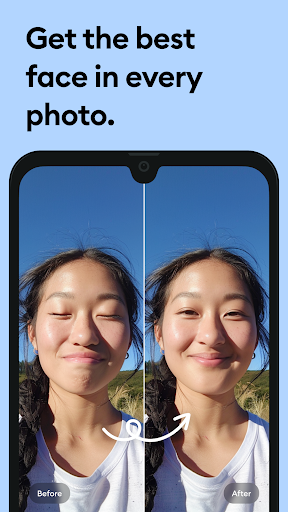
When it works, Remini does what it promises. Reviewers consistently note it’s good at enhancing photos and bringing clarity to old or low-quality images, which is the entire premise of the app. Restoring scratched, vintage, or out-of-focus family photos into something crisp is the standout feature, and it’s the reason so many people keep coming back despite the frustrations described below. For a quick, one-tap fix to a grainy old photo, the underlying technology holds up.
The AI Portrait and Body Rendering Glitches
The AI portrait generation is where things get messier. One detailed reviewer pointed out that the app sometimes adds extra arms or partial limbs, gets proportions wrong so arms or legs look too long for the body, and mixes up hair styles and textures so strands appear to hang off oddly. These aren’t minor nitpicks — they’re the kind of AI rendering errors that undermine trust in the ‘professional looking AI Photos’ the store listing promises. Another user flagged that photo enhancement has recently made images, including those of darker-skinned people, come out unnaturally bright, suggesting the enhancement algorithm isn’t evenly calibrated across all skin tones.
Ads, Paywalls, and a Frustrating Monetization Shift
This is the most consistent complaint across reviews, and it’s a big one. Multiple users describe being unable to do anything without paying, with no free trial offered — just $2.99/week or $9.99/week subscription options and a ‘Restore Purchases’ button that found nothing to restore. Others recall a better era when a single ad let you enhance one photo a few times a day; now they describe stacked full-screen ads before opening the app, before enhancing, and before saving, with some ads being unskippable and over a minute long. One reviewer even claimed the app installs background games automatically. If you’re hoping for a mostly-free experience, the current reviews suggest that door has largely closed.
Reliability Problems and Support Response Times
Beyond monetization, several reviewers report the app simply breaking. One paying subscriber of over a year described a persistent ‘we’re experiencing unusually high traffic’ warning that made the app unusable, while another said they uninstalled, reinstalled, cancelled, and resubscribed to a yearly plan only to keep hitting server-side errors — and after sending support three screenshots, still waited almost a week without resolution. These aren’t isolated hiccups; they point to backend stability issues that hit users who’ve already paid, which is arguably worse than free-tier limitations since money is on the line.
Who Should Actually Download This
Remini is worth trying if you have a handful of genuinely old or damaged photos you want restored and you’re comfortable either watching ads or paying for a subscription to get consistent access. It’s less appealing if you want a casual free tool for regular use, given the reports of aggressive ad loops, disappearing free trials, and a ‘Restore Purchases’ function that didn’t work for at least one reviewer. Given the recurring complaints about brightness/skin-tone issues, distorted limbs in AI portraits, and slow support responses even for paying customers, go in with tempered expectations, test it on a few photos before subscribing, and keep an eye on your subscription settings so you’re not surprised by the weekly charge.


