


What Moovit Actually Does and Who It’s For
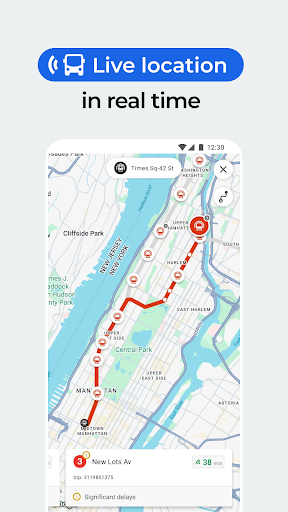
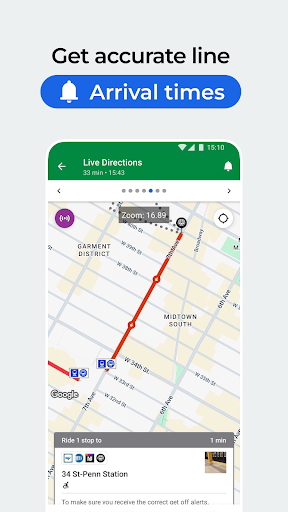
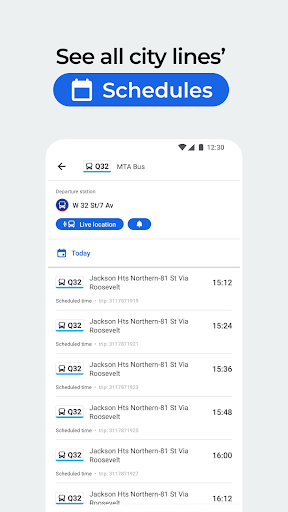
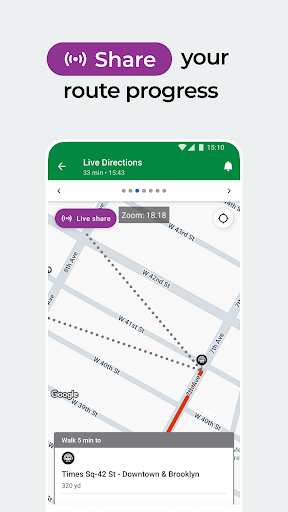
Moovit is a transit-planning app that pulls together bus, subway, and train schedules, real-time GPS arrivals, and step-by-step navigation into one place, with extras like bike route planning, an AR walk finder to locate stops, and in select cities, in-app ticket purchase. It’s aimed at daily commuters and travelers in unfamiliar cities who want one app instead of juggling a local transit authority’s website plus a maps app. With coverage claimed across thousands of cities worldwide, it’s most useful for people who rely on public transit regularly and want live updates rather than static timetables.
Where It Genuinely Helps Riders
Long-time users consistently say the core idea works: real-time arrivals, route planning, and alerts about delays or service changes are genuinely useful day to day, with several reviewers noting they’ve relied on it for years. The favorites feature for saving regular lines and stations, plus offline maps for underground or no-signal situations, are the kind of practical touches that matter when you’re actually standing at a stop trying to figure out if your bus is coming.
The Ad Experience Is a Serious Problem
The most repeated complaint by far is advertising. Multiple reviewers describe full-screen ads interrupting basic actions, popping up mid-navigation, covering the entire screen with inconsistent or tiny close buttons, and even full-screen video game ads that can’t be skipped for a while. One user says this directly cost them their bus because they couldn’t dismiss an ad in time. This isn’t a minor annoyance—it’s reported as actively interfering with the app’s core function of getting you somewhere on time.
Subscription and Accuracy Complaints Worth Knowing
Beyond ads, the subscription model draws criticism: reviewers wanted a simple one-time or flat fee rather than a subscription, and one user describes a bait-and-switch experience where they paid for live tracking only to find it unavailable for their transit system, then couldn’t get a refund even after canceling within minutes. There are also reports of unreliable routing—non-existent bus routes shown, blank screens when entering saved or favorite locations, and at least one complaint about the app refusing to plan a journey between two points roughly a mile apart in a major US city. These aren’t isolated UI gripes; they touch the app’s basic trustworthiness for trip planning.
Who Should Actually Download This
If you commute daily and mainly need real-time arrivals and alerts for familiar routes, Moovit’s core data can still save you time, and it costs nothing upfront. But go in expecting aggressive, sometimes poorly-timed advertising, and be skeptical of the paid subscription tier given the refund and feature-availability complaints on record. Casual or occasional transit users, or anyone who needs rock-solid reliability for unfamiliar routes, may want to cross-check Moovit’s directions against their local transit agency’s own app or website rather than trusting it blindly, especially before paying for any premium tier.


