What This App Actually Does
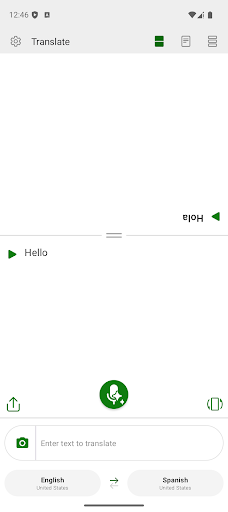
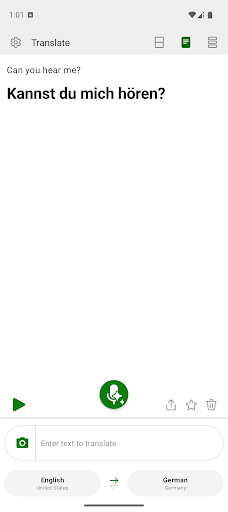
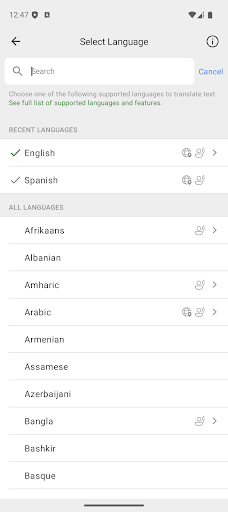
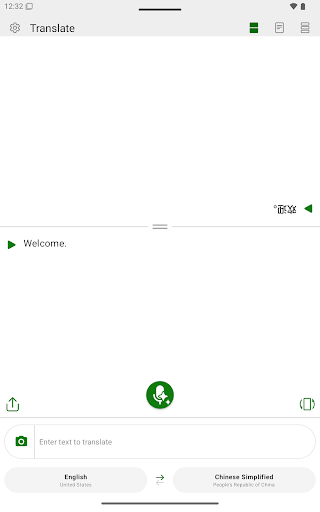
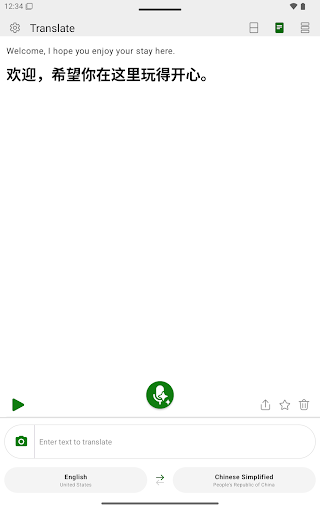
Microsoft Translator handles text, speech, and image translation across more than 100 languages, and it’s aimed at anyone who needs to communicate across a language gap: travelers, teachers with multilingual classrooms, language learners, or people working with international colleagues. The core pitch is simple – type, speak, or snap a photo of text, and get a translation back with no ads. Note that the multi-device conversation feature has been retired, which matters if you were relying on it for group settings.
Where It Genuinely Delivers
The strongest praise from users centers on real-time two-way conversation: one reviewer described two Spanish and English speakers holding a quick dialogue just by selecting ‘to’ and ‘from’ languages, with no ads getting in the way. Another user with a friend speaking Egyptian Arabic found the app translated context well even while juggling Russian, Spanish, and Dutch simultaneously. It’s also popular as a study aid – one reviewer uses it to supplement Japanese learning, leaning on it to look up tricky words and phrases, and another does the same for French, praising the phrasebook feature. The photo translation tool works well on clean, standard fonts, though it struggles with stylized print like food packaging text.
The Cracks That Show Up After an Update
Several of the most detailed complaints trace back to a recent update. One long-time user called the new formatting ‘ugly and unnecessarily complicated,’ saying it feels like the app is now trying to teach users rather than just translate, while also removing the ability to view different forms of a translation that existed before. Another reviewer, who relies on the app to help students new to the U.S. build English skills, reported that after the update speaking in English no longer translates into students’ native languages with audio – only text shows up now, which breaks a workflow that used to work reliably. A separate complaint noted the conversation function, once described as amazing for classrooms with many languages at once, stopped working as expected.
Small Frustrations Worth Knowing About
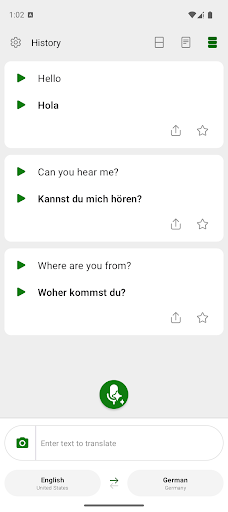
Beyond the update issues, a couple of narrower gaps show up in feedback. Languages with formal and informal registers, like French, aren’t fully covered – the app doesn’t distinguish between the two dialect forms. Learners also want a way to edit or go back into a current translation rather than starting over, a feature one French learner specifically asked for after the redesign changed how editing works.
Who Should Actually Download This
If you need quick, free, conversational translation for travel or casual daily use, and you’re not dependent on the multi-device conversation feature or older formatting, this still holds up as a capable tool – especially for text and speech between major language pairs. Language learners will find real value in the phrasebook and lookup functions. But if you rely on it professionally, such as for classroom translation with students learning English, the recent update’s bugs around audio output and conversation mode are a real risk, and you should test your specific use case before trusting it in a high-stakes setting.