



What Microsoft Launcher Actually Does
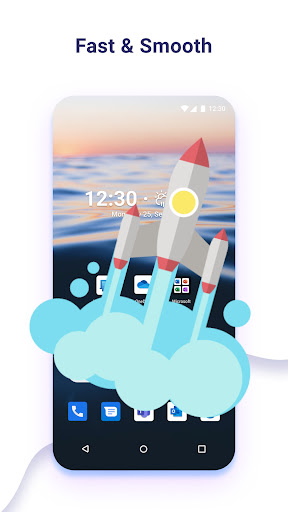
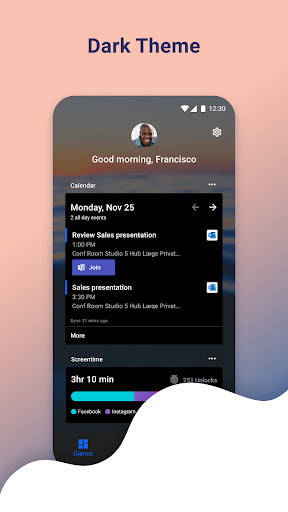
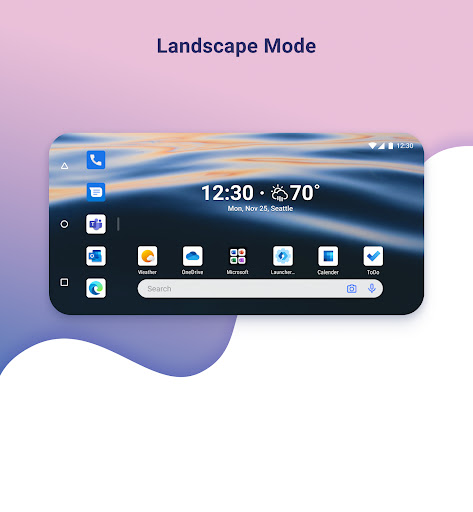
Microsoft Launcher replaces your Android home screen with a more customizable, productivity-focused setup. It lets you swap icon packs, pull in Bing wallpapers, run a dark theme, and back up your layout to the cloud. The standout piece is the left-side feed, which surfaces your calendar, to-do list, Sticky Notes, and recent contacts in one scrollable panel, essentially bringing a Windows-widget feel to Android. It’s aimed squarely at people already living inside the Microsoft ecosystem: Outlook, To Do, OneDrive, and Microsoft 365 users who want their phone to talk to their PC.
Where It Genuinely Impresses
Users consistently praise the depth of customization. One reviewer called it a ‘game changer’ after switching from a clunky stock Samsung interface, and others highlight the ability to run three dock rows, scroll into an app library instead of swiping sideways, and fine-tune gestures. For anyone juggling personal and work apps, the separation and organization options get specific praise, as does the left home screen feed, which one user says ‘beats Google Now’ for a day-at-a-glance view of reminders, schedule, and recent calls. People who already use Microsoft 365 for work seem to get the most mileage out of it.
The Bugs That Undercut the Experience
The recurring complaint is stability. Multiple reviewers describe the launcher randomly freezing or locking up, sometimes only recovering after several minutes, and this shows up across different phones and hardware tiers, including lower-end devices where it otherwise runs smoothly. One user resolved a loading problem by discovering the app had silently set mobile data to ‘restricted’ on install, which is a strange default and not something most people would think to check. Notification issues also show up, with one long-time user reporting that notification bubbles on widgets stopped working correctly after switching to a Google Pixel, despite trying every settings combination.
The Permissions List Is Long, But Optional
The permission list here is extensive: microphone, photos, contacts, location, phone, camera, and calendar. Microsoft is upfront that each ties to a specific feature (Bing Search, the Weather widget, Sticky Notes image capture, calling contacts by swipe) and that the launcher still works if you decline them. That transparency is appreciated, but it’s still a lot to grant to a home screen replacement, and privacy-conscious users should expect to selectively deny several of these without losing core functionality.
Who Should Actually Install This
If you’re already tied into Outlook, Microsoft 365, or OneDrive, this launcher’s feed and Sticky Notes integration genuinely earn their keep, and the customization depth is hard to match among mainstream launchers. If you’re not in that ecosystem, or if you’re on a phone where stability issues have been reported, the appeal shrinks fast since you’re taking on freezing risks and a long permissions list for features you may never touch. It’s worth trying since you can always switch back to your previous launcher, but go in expecting to troubleshoot occasional freezes rather than a flawless experience.


