


What Lyft Does and Who It’s For
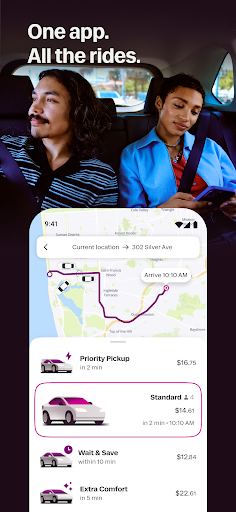
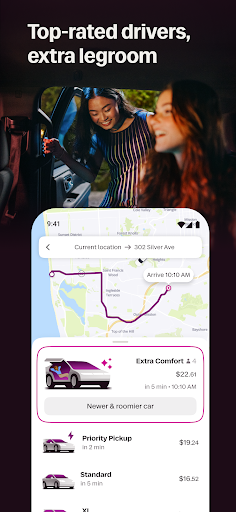
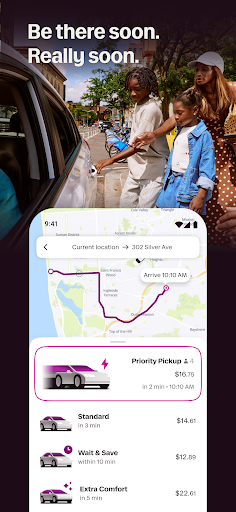
Lyft is a ride-hailing app that also folds in bikes, scooters, transit directions, and rentals, aimed at anyone who needs to get across town without owning a car. You punch in a destination, see an upfront price, and pick from options like Wait & Save, Priority Pickup, Lyft XL, or Lux depending on your budget and how fast you need to move. It’s built for commuters, night-out riders, airport runs, and errand trips, and it works as a straightforward alternative or companion to Uber in most US cities.
Where the App Actually Delivers
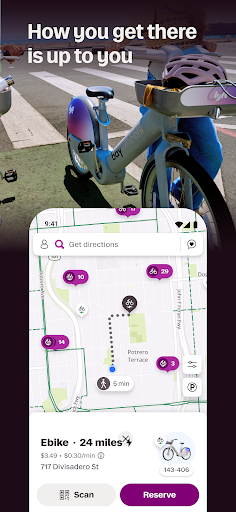
When it works as advertised, the core loop is genuinely simple: enter destination, see route and cost, tap to book. The multiple ride tiers are a real strength if your city has good coverage, since you can flex between a cheap shared-style wait and a fast priority pickup depending on the day. Folding bikes, scooters, and transit into the same app is convenient for people who mix modes of transport rather than relying on cars every time.
The Wait & Save Problem That Keeps Coming Up
The most consistent complaint in user feedback is that Wait & Save doesn’t save you anything but frustration. Multiple reviewers describe selecting it to shave a few dollars off the fare, only to wait far longer than promised, sometimes over an hour, with the app still ‘searching’ for a driver well past the quoted time. One user paid extra for Price Lock and found it seemed to actively deter drivers from accepting the ride at all. Several people report opening Uber mid-wait and getting picked up in minutes while Lyft was still spinning.
Tipping Bugs and Driver No-Shows
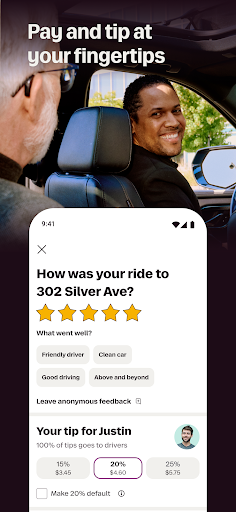
A separate cluster of complaints centers on the tipping flow: custom tip amounts reportedly fail to save when entered after the fact, forcing riders back to the preset $2/$3/$5 buttons instead. On top of that, drivers canceling last-minute or simply never arriving is a recurring theme, and riders are frustrated that there’s no way to rate or flag a driver who sat still, went the wrong direction, or showed up 5-plus minutes late. Cancel a stalled ride and you may still get charged a wait fee, which understandably annoys people who were the ones left waiting.
Rough Edges for Business Users
For anyone using Lyft for work travel, the business profile handling is described as clumsy, with no clear way to confirm which profile a ride is billed under before you’re committed, and no nicknames for saved payment cards to tell personal and business accounts apart. It’s a small thing until you’ve expensed a personal ride by mistake.
Who Should Actually Download This
Lyft is worth having on your phone as a backup option alongside Uber, especially if your city has decent driver density and you mostly book Priority Pickup rather than Wait & Save. If you’re chasing the lowest possible fare through the discount options, be ready for unpredictable wait times and occasional no-shows. Business travelers juggling separate accounts should go in aware of the profile-switching friction before relying on it for expensed trips.


