What Location Share Is Meant To Do
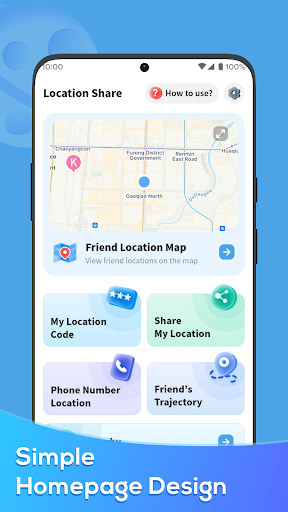
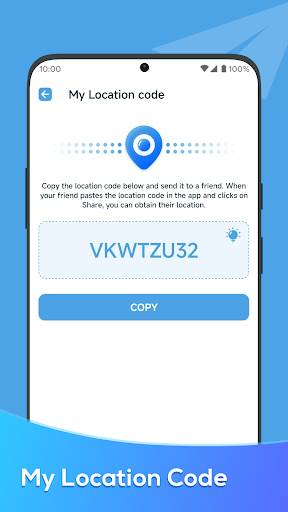
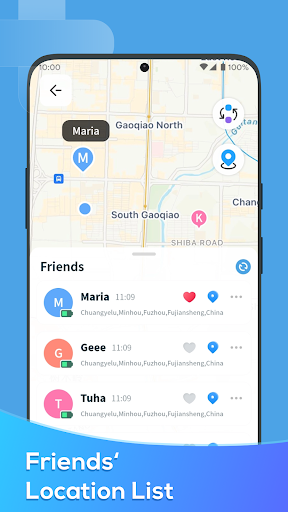
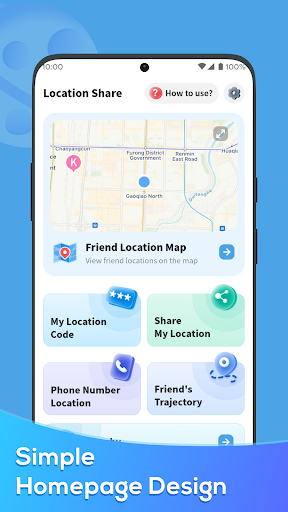
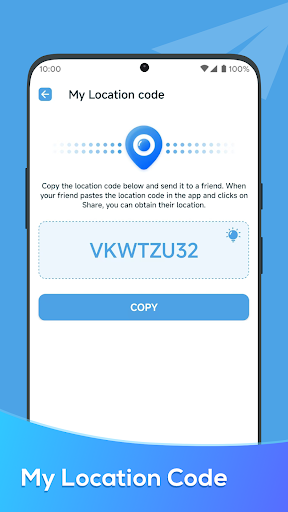
Location Share is a Maps & Navigation app from P & L Studio built around one simple idea: let two people who agree to it see each other’s location on a map. The pitch is for families keeping tabs on kids, couples wanting peace of mind, or friends coordinating meetups. Setup involves sending codes back and forth so both sides consent to sharing, and once connected you get real-time updates, follow notifications when someone’s location changes, and a view of your own position on the map.
Where It Actually Delivers
Some users genuinely like the concept behind the app, with one reviewer noting it could help people avoid getting lost or help locate a misplaced device using its last known position. For casual, low-stakes use where both parties are actively cooperating and nearby, the basic idea of consensual location sharing does appeal to people looking for something simpler than baking this into a bigger platform.
The Accuracy Problems That Undermine Trust
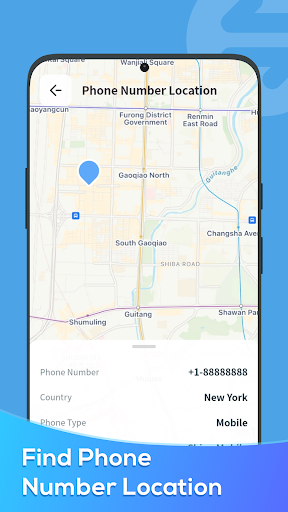
The most damaging complaints are about core functionality rather than extras. One reviewer standing right next to someone found the app showing that person in a completely different state. Another tested it on a phone number and found it displayed the location tied to where the number was originally registered years earlier, not the phone’s actual current location after a cross-country move. A third reviewer said the app basically requires the other person’s phone physically nearby to input location, which defeats the purpose of remote tracking entirely. For an app whose entire job is showing where someone is right now, these are not minor bugs.
Ads, Paywalls, and Confusing Setup
Multiple reviewers flagged heavy ad volume, including one who said an ad appears immediately after login before you even see the app working, and another who counted a lot of ads throughout use. Setup is also criticized as complicated, requiring codes sent back and forth between users. On top of that, several people report installing what was marketed as free only to hit a paywall after a trial period that was never disclosed before download, and one reviewer said they could not find any way to contact customer service to even ask whether the app was free.
Who Should Actually Download This
The developer’s own statements are worth noting: sharing requires mutual consent, it only requests location and notification permissions, and it is explicitly not designed as spyware. That’s a reasonable privacy stance on paper. But based on real user experience, the app struggles with the one thing it promises, accurate real-time location, and pairs that with aggressive ads and unclear pricing. If you just want a lightweight way to check in with someone who is already near you and you’re tolerant of ads, it might work in a pinch. Anyone needing dependable, accurate long-distance tracking, or a clear free-vs-paid structure upfront, should be cautious and test it thoroughly with a willing partner before relying on it.