
What Google Chat Is Supposed to Do
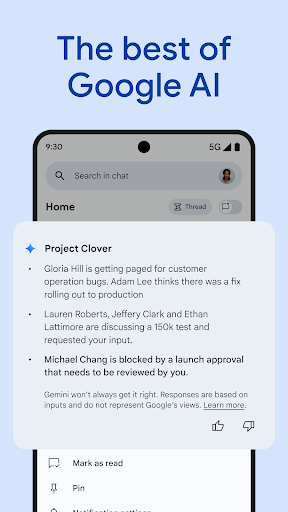
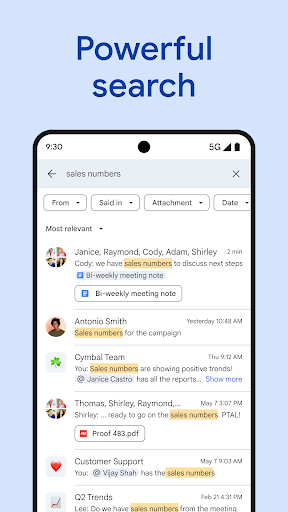
Google Chat is Workspace’s messaging and collaboration app, aimed at teams that already live in Gmail, Calendar, Drive, and Meet. It bundles direct messages, group spaces, huddles, and now a layer of Gemini AI features like conversation summaries, translation across 120+ languages, and AI-powered search. It’s built for businesses and schools already paying for Workspace, not for casual users looking for a standalone chat app.
With over 75 million installs and a review base in the hundreds of thousands, it’s clearly become a default for many organizations, often because it was pushed on them rather than chosen.
Where the AI and Workspace Integration Actually Help
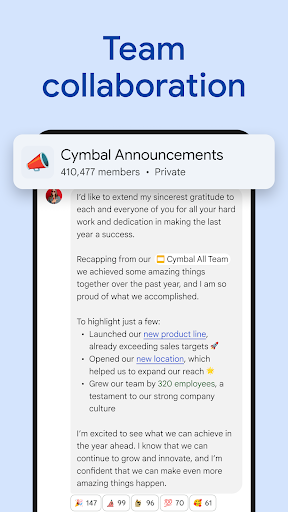
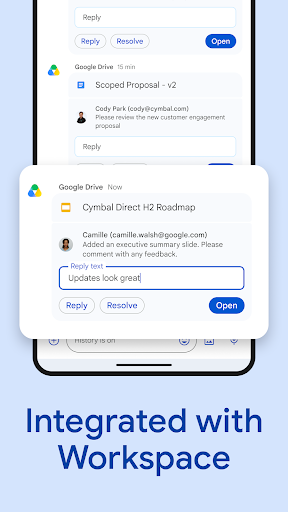
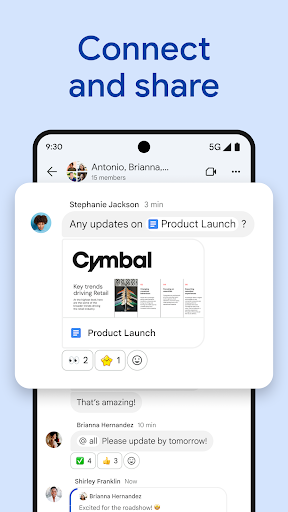
The tie-in with Drive, Docs, Calendar, and Meet is genuinely useful when it works, letting you link files and people with smart chips instead of copy-pasting URLs. Being able to spin up a huddle instantly or pull in Chat apps like Jira or GitHub gives it real utility for dev and ops teams that need more than plain messaging. For organizations already committed to Google’s ecosystem, having one login and one security model across email and chat is a practical convenience, and Google’s zero-trust cloud architecture means there’s no desktop client to patch or local data to worry about.
The Hangovers From Killing Hangouts
The most common complaint in user reviews isn’t really about Chat in isolation, it’s about what it replaced. Multiple reviewers describe Hangouts as simpler, faster, and easier to navigate, and say Chat feels like a step backwards. One reviewer bluntly called it a ‘copy-pasted version of Microsoft Teams’ with nothing unique to offer. That sentiment shows up again and again from long-time Google users who were migrated without much choice.
Real Usability Complaints That Keep Coming Up
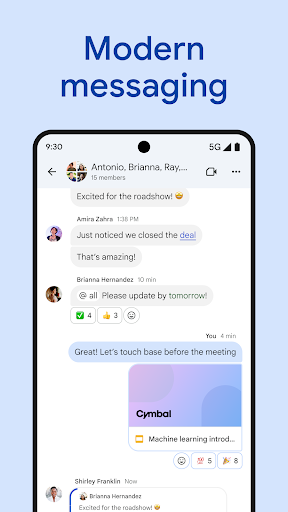
Beyond nostalgia for Hangouts, there are specific functional gripes. Several reviewers say the entire conversation is left-justified with no chat bubbles, making it hard to tell who said what and harder to scroll back through history. Photo sharing is repeatedly flagged as broken by comparison, since you can only send one image at a time, and opening an image is described as slow, like loading a sluggish webpage. Notifications are another sore spot, with users saying they rarely get alerted to new messages, and read receipts are said to be missing or hard to find.
Who Should Actually Download This
If your company or school already runs on Google Workspace and mandates Chat for internal communication, you don’t have much choice, and the Drive, Calendar, and Meet integrations make it tolerable for daily standups and file-sharing threads. But if you’re evaluating it fresh against alternatives like Slack or Teams, the interface complaints around message threading, photo handling, and notifications are real and consistent across a large number of reviewers, not isolated gripes. Teams that need fast, reliable photo sharing or a visually clear conversation layout may find this frustrating out of the box. It’s a functional business tool tied to a bigger ecosystem, not a chat app you’d choose for its own merits.