
What This App Actually Does
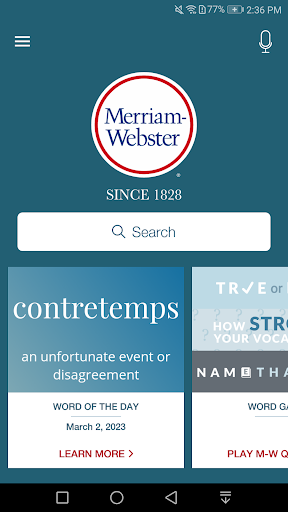
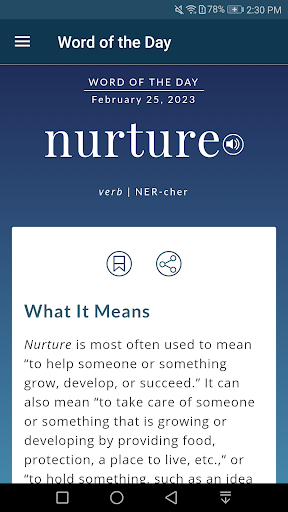
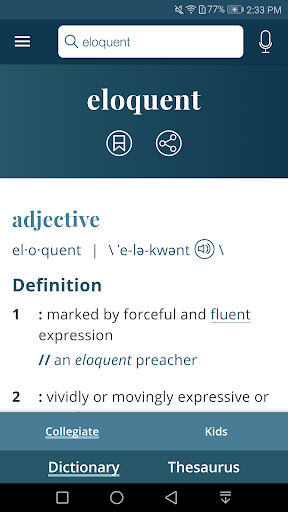
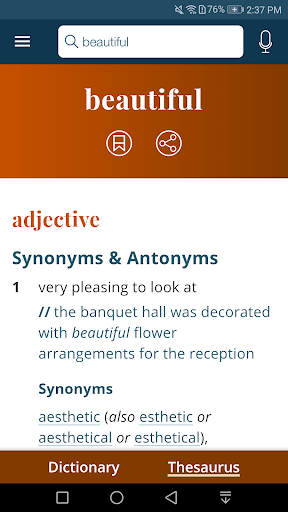
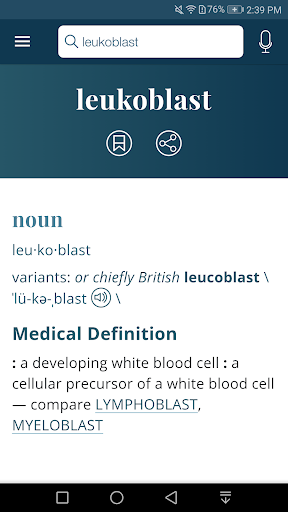
Dictionary – Merriam-Webster is exactly what it sounds like: the full Merriam-Webster dictionary and thesaurus in app form, with offline access to definitions and synonyms, audio pronunciations recorded by real speakers, a word of the day, voice search, and a set of vocabulary quizzes bolted on in recent updates. It’s aimed at anyone who looks up words regularly, from students and English learners to writers, editors, and self-described word nerds who want something more authoritative than a generic search-bar definition.
Where It Genuinely Delivers
The core reference content is the clear strength here. Reviewers consistently point out that entries are more thorough and better written than competing dictionary apps, with one user noting it surfaces far more archaic words than rival apps like Oxford’s. The integrated thesaurus with over 200,000 word choices and example sentences gets specific praise from a user who says they use it daily and value having ‘unfettered access to a great dictionary and thesaurus.’ Audio pronunciations by real speakers rather than robotic text-to-speech is another detail users call out as a differentiator, and offline access means you’re not stuck without definitions when you lose signal.
The Ad Problem That’s Driving People Away
The biggest and most repeated complaint across reviews is aggressive advertising following a recent update. Multiple users describe ads that can’t be closed with an X button, forcing them to force-close the entire app just to get rid of one. One long-time user called the app ‘almost unusable’ now because of how ads interrupt the simple act of looking up a word. Another said they’d tolerated occasional ads for years but won’t put up with the current implementation, having to reopen the app repeatedly. This isn’t a minor gripe — it’s showing up as the top complaint from the most-upvoted reviews.
Touch Sensitivity and Navigation Frustrations
Beyond ads, several users report the app is oddly touch-sensitive, causing accidental taps to jump you to a related word or trigger an ad while you’re simply trying to scroll and read a definition. One reviewer specifically flagged there’s no reliable way to go back once this happens. A smaller but recurring complaint is that the keyboard disappears when tapping into the search bar under certain conditions, which is a strange bug for an app whose entire purpose is looking things up quickly.
Subscription Value and Missing Features
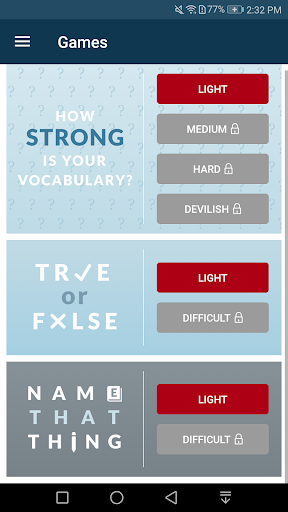
Merriam-Webster sells an ad-removal subscription, and users who’ve paid for it seem satisfied with that trade-off — one purchased it years ago specifically to get reliable thesaurus access without interruption. On the features side, the vocabulary quizzes get positive but qualified feedback: one user called them fun but wished bookmarked or favorited words could be pulled directly into the games for more targeted practice, rather than the quizzes running independently of your saved word list.
Who Should Download This
If you want serious, well-sourced dictionary and thesaurus content and are willing to pay for the ad-free subscription, this remains one of the more respected reference apps available, backed by real editorial authority. If you’re expecting a clean free experience, recent reviews suggest you’ll likely hit intrusive, hard-to-close ads that make quick lookups genuinely annoying. Casual users who just want an occasional word check may find the friction not worth it unless they’re ready to subscribe.