



What Cash App Actually Does and Who It’s For
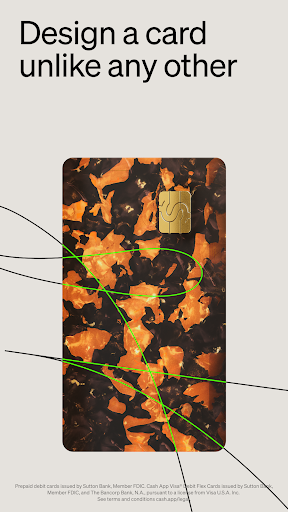
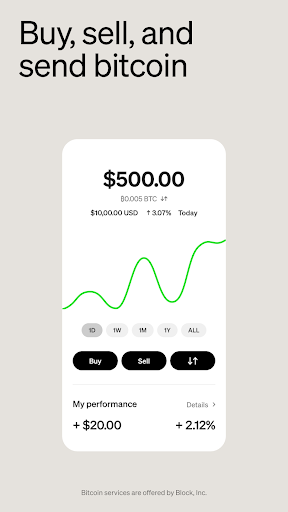
Cash App is a peer-to-peer payment and mobile banking app from Block, Inc. that lets you send and receive money instantly, get a customizable Visa debit card, set up direct deposit, buy bitcoin, and invest in stocks with as little as $1. It also lets parents sponsor teens aged 13 to 17 so younger users can get their own card with parental controls. Given the massive install base and review count, this is clearly aimed at everyday people who want a simple alternative to traditional banking, freelancers and gig workers who need fast payments, and casual investors dipping a toe into stocks or crypto without commission fees.
Where It Genuinely Delivers
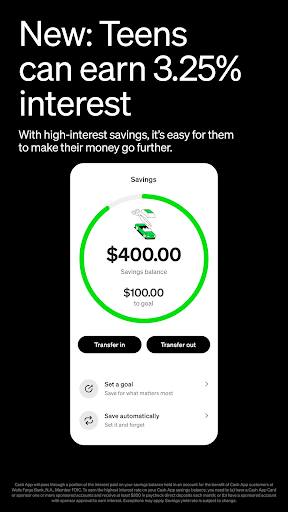
The core P2P transfer function works as advertised for most users: sending money with a $cashtag, phone number, or QR code is fast and free, and one reviewer who’s used the app for years said it gave them a real banking solution when they couldn’t get a traditional bank account or credit card. Direct deposit arriving up to two days early is a real, tangible perk that keeps people loyal despite the app’s flaws. The customizable debit card with no monthly fees and real-time alerts also gets used heavily, and the ability to route part of a paycheck into savings, stocks, or bitcoin automatically is genuinely convenient for people who don’t want to manage separate apps for each.
Where Things Fall Apart
The most damaging complaints center on money simply vanishing with no safety net. One user described losing funds because the cash-out function has no confirmation step to catch mistakes, and years later that basic safeguard still hasn’t been added. Another reported their account being wiped out via unauthorized transaction right after unlocking their card for an online purchase, and said the exact same thing happened to them the year before. Account and card lockouts are a recurring theme too. Reviewers describe debit cards being blocked from transferring funds with no way to add a new card or get support to override the block, even when they can verify their identity. This is especially frustrating around presales and time-sensitive purchases, since Cash App promotes concert presale access as a feature but then blocks the very funding needed to use it.
Everyday Annoyances That Add Up
Beyond the scarier financial issues, there are plenty of smaller usability problems. Multiple users report the app becoming glitchy, with one describing an inability to sign out of a personal account, forcing a full uninstall and reinstall just to switch between personal and business profiles. Monthly statements are also oddly hard to read in-app since there’s no zoom function, forcing users to use the ‘share’ option just to view text at a legible size. And for anyone using the free version, the ad experience has gotten more intrusive, with one reviewer describing forced 8 to 13 second video ads that restart if you try to skip them, which is a bad look for a finance app people are trying to use quickly, sometimes in a checkout line.
Who Should Actually Download This
Cash App makes the most sense for people who need a quick, no-frills way to send money to friends or family, want early access to direct deposit paychecks, or want to experiment with small stock or bitcoin purchases without commission fees. It’s less appealing if you’re looking for a primary bank account you can fully rely on, since the recurring reports of frozen cards, blocked transfers, and unresponsive support around fraud incidents suggest real risk when something goes wrong. If you do use it, keep a separate backup account for anything critical, double-check every cash-out before confirming since there’s no undo, and don’t expect fast resolution if your account gets flagged or your card gets blocked unexpectedly.


