
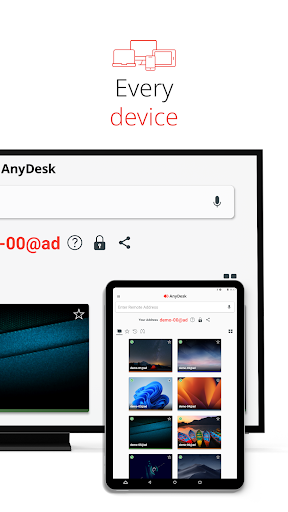
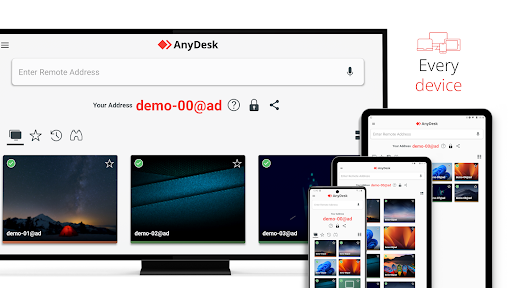
What AnyDesk Does and Who It’s For
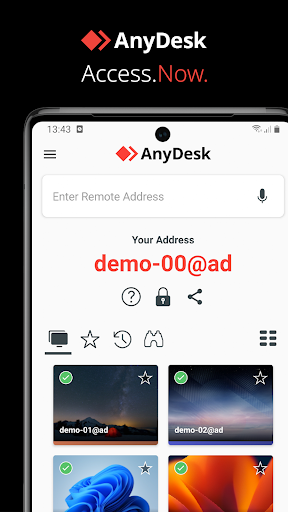
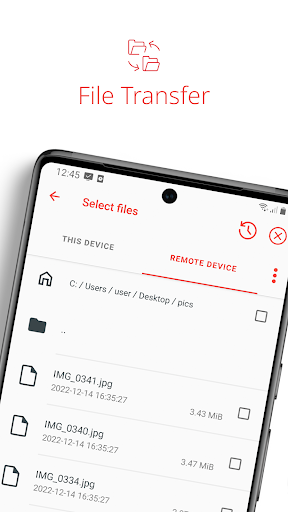
AnyDesk is a remote desktop tool that lets you control a computer or device from somewhere else, whether that’s a phone connecting to a home PC or an IT technician troubleshooting a user’s machine across the country. It supports file transfer, remote printing, Wake-On-LAN, and a VPN feature for connecting over SSH or LAN-based games. With over 100 million installs, it’s clearly a go-to for IT professionals, remote workers, students, and anyone who occasionally needs to reach into their own PC from a phone or tablet.
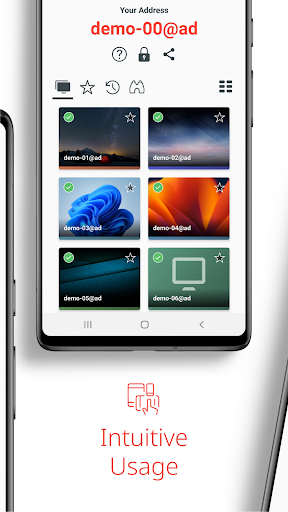
The core pitch is simple: install it on two devices, enter the AnyDesk-ID, confirm access, and you’re in. For basic personal use — checking on a home computer, starting a download remotely, or helping a family member — that setup works largely as advertised.
Where It Actually Performs Well
Users who stick to light, personal use report solid results. One reviewer who switched from TeamViewer specifically praised AnyDesk for letting them remotely power on their PC and connect faster and more conveniently than their previous tool, using it to manage downloads and updates from work. When the connection holds and the session behaves, the performance and speed are genuinely a strength.
Session Bugs That Undermine Trust
The most common and heavily upvoted complaints are about basic session control failing. Multiple users describe being unable to end a current session, disconnect, or log out, with one reviewer forced to delete the app from both PC and phone just to get it working again. Another reviewer, who otherwise called the desktop product solid, specifically flagged the Android app as buggy for the same reason — an inability to terminate ongoing sessions cleanly. When a remote access tool won’t let you disconnect, that’s not a minor annoyance, it’s a core function failing.
Scam Exposure Is a Real Concern
Several of the most-upvoted reviews aren’t really about app bugs but about how AnyDesk gets weaponized by scammers. Reviewers describe being connected to fake ‘customer service’ or ‘tech support’ agents impersonating big-name companies like eBay, who then took control of the device and, in one case, prevented the user from hanging up or powering down their phone. This may not be a flaw in AnyDesk’s code, but the app’s simplicity and legitimate branding make it an effective tool for social engineering, and reviewers feel the app doesn’t do enough to warn users.
Free Tier Limits Aren’t Clearly Communicated
Multiple reviewers who used AnyDesk for years for light personal use suddenly hit unexpected walls: pop-ups suggesting they purchase a business license, or connection limits (one reviewer cited being told they exceeded 8 connections in a week) despite minimal use. Another reviewer pointed out that the store listing’s ‘free for personal use’ framing undersells the fact that the free tier has real, sometimes confusing restrictions.
Final Verdict
AnyDesk is worth downloading if you need occasional, straightforward remote access to your own devices and don’t mind working around session-ending glitches. IT professionals and people already paying for licenses will likely find it reliable enough. But casual users should go in aware of two things: the app can be genuinely buggy about ending sessions, and it’s a favorite tool for phone scammers impersonating tech support — never accept a remote session from an unsolicited caller.