What This App Actually Offers
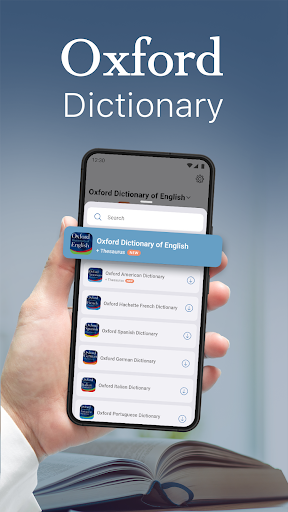
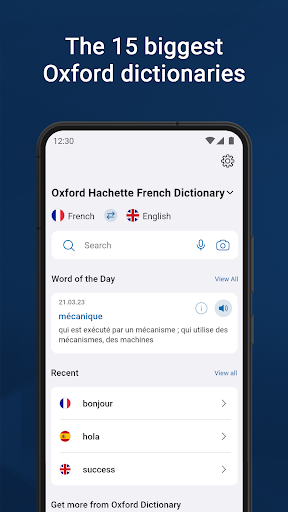
Oxford Dictionary & Thesaurus bundles 15 different Oxford dictionaries into one app, covering English, French, German, Spanish, Russian, Chinese, Italian, Hindi, Urdu, Portuguese, Japanese, Greek, Bulgarian, and Thai, plus a thesaurus and word-of-the-day feature. It’s aimed at students prepping for the SAT, IELTS, or TOEFL, professionals who use English regularly, and anyone who wants an authoritative reference rather than a random web definition. The core dictionary content is genuinely Oxford-sourced, which matters if you care about accuracy over convenience.
Where the App Genuinely Shines
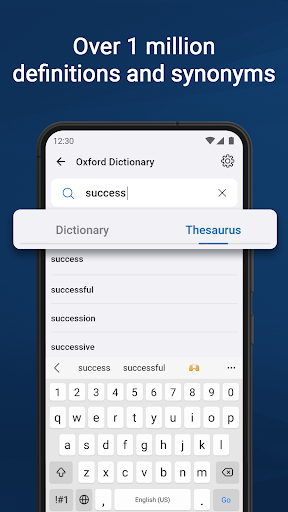
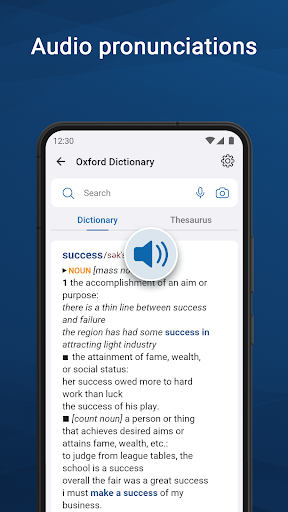
Users consistently praise the pronunciation assistance, with one reviewer noting it has settled real arguments in their household over how words are actually said. The spell-checking and fuzzy search tools also get credit for helping people find words even when they’re not sure of the spelling, which is a real practical win for a mobile dictionary. The underlying content quality is not in question here; when you can actually get to the definitions, they’re solid and well sourced.
The Paywall Problem You Need to Know About
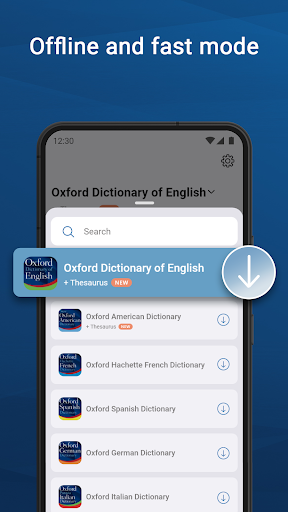
This is where the app loses a lot of goodwill. Multiple reviewers describe hitting a paywall just to read a basic word definition, and offline access is locked behind Premium too, which is a serious limitation if you don’t have reliable signal. One reviewer flagged that the free trial and subsequent renewal fee aren’t clearly disclosed upfront, only surfacing after you’ve already installed and agreed to terms. Given the store listing calls this a straightforward reference tool, the aggressiveness of the monetization catches people off guard.
Ads and Interface Annoyances
Even after looking past the paywall, reviewers report ads appearing nearly every time they search for a word, which several called obnoxious for something marketed as a quick-reference tool. One user said an ad filled the screen before they’d even chosen which dictionary to search. There are also structural gripes: entries for words with multiple meanings (like ‘affect’ having three separate listings) require repeated clicking and backing out instead of showing all senses on one page, which slows down what should be a fast lookup.
Value for Paying Users
Even people who paid for the app aren’t fully satisfied. One reviewer who bought it a few years ago for around $5 expected that to cover ad-free offline use going forward, only to find that expectation didn’t hold up over time. Others note the $20-a-year Premium price isn’t unreasonable in isolation, but feels like a lot to ask for what should be a basic lookup function, especially with lag reported when scrolling through entry pages.
Who Should Actually Download This
If you want serious, Oxford-backed definitions across multiple languages and are willing to pay for Premium from day one, this app can genuinely deliver, especially for pronunciation and spelling help. But if you’re expecting a free, lightweight dictionary for occasional lookups, the ad load and paywalled definitions will likely frustrate you fast. Students and professionals who rely on a dictionary daily should budget for Premium; casual users may be better served by a free alternative.