What DoorDash Actually Offers
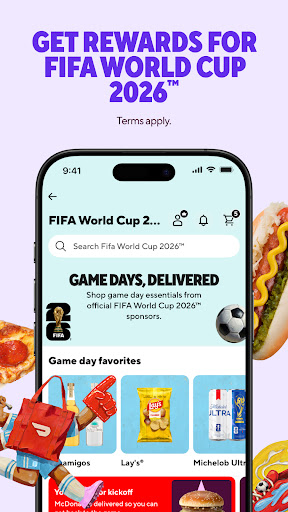
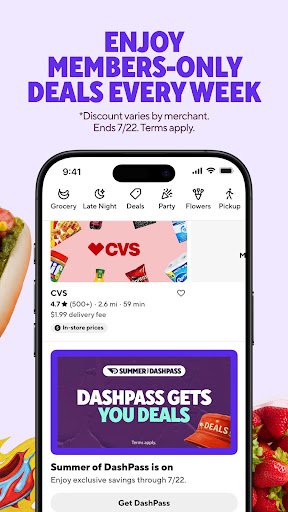
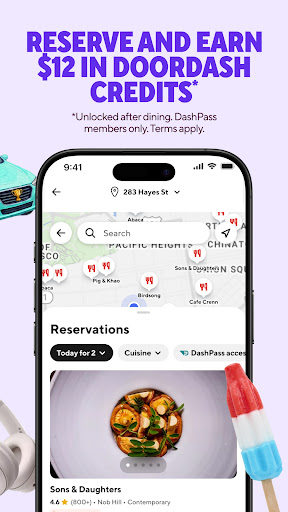
DoorDash is a delivery app that goes well beyond restaurant takeout. Alongside its huge roster of national chains like McDonald’s, Starbucks, and Chipotle, it now handles grocery runs through partners like Safeway, Aldi, and Sprouts, plus convenience items from Walgreens, CVS, and 7-Eleven. The pitch is that you can order dinner, cold medicine, and flowers from one app, and for the most part it delivers on that promise in terms of selection. It’s aimed at anyone who wants one-stop shopping for food and household basics without leaving the couch, and with over 4,000 cities covered, most US users will find plenty of local and national options nearby.
Where the App Performs Well
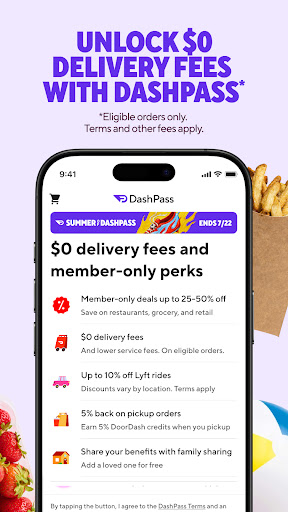
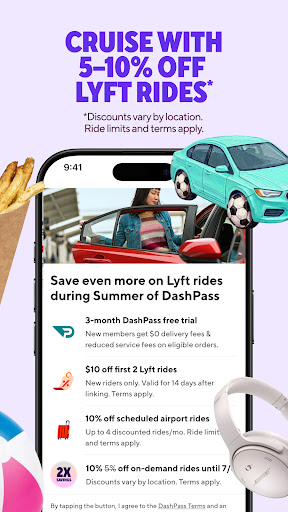
The sheer breadth of merchants is the app’s biggest asset. Whether you need a burger at midnight or forgot toothpaste, there’s likely a partner store nearby. Real-time tracking and scheduled delivery are handy for planning ahead, and payment flexibility (Venmo, PayPal, SNAP/EBT at participating merchants) is a genuine convenience for a lot of shoppers. DashPass, when it works as advertised, is appealing for frequent users who want to cut down on delivery fees.
The Fee Structure Frustrates Users
Multiple reviewers flag the pricing as deceptive. One common complaint is that a ‘service fee’ gets tucked into the taxes section rather than shown as its own line item, making the true cost of an order hard to see upfront. Others note that the price threshold for ‘deals’ creeps up over time, and that DashPass doesn’t always deliver the fee-free experience it promises. If you’re price-sensitive, expect to double-check your total before checking out every time.
Order Accuracy and Support Are Real Weak Points
The most damaging pattern in user feedback is around order fulfillment and what happens when things go wrong. Reviewers describe dashers dropping food at the wrong address entirely, missing items despite the store having full stock, and repeated delivery mix-ups even after leaving detailed address instructions. When these issues happen, getting a fair resolution is apparently a struggle: customer support is described as offering only small credits, partial refunds, or none at all, and support tickets are sometimes closed with a generic ‘doesn’t qualify’ response. For an app that processes payment immediately, that lack of recourse is a serious issue for anyone who orders regularly.
Merchant Restrictions Add Another Layer of Annoyance
Beyond fees and missed orders, at least one reviewer pointed out they couldn’t choose which specific location of a chain fulfilled their order, getting routed to a poorly-rated store instead of a better one nearby. Combined with the inability to easily re-access the driver rating prompt after accidentally dismissing it, these smaller UX gaps add up to a experience that feels less polished than the app’s scale would suggest.
Final Verdict
DoorDash is worth having installed if you want maximum selection for food, grocery, and convenience delivery in one place, and you don’t mind occasionally auditing your receipt for hidden fees. But if you’ve been burned before by missing items or unresponsive support, the recurring complaints here suggest that risk hasn’t gone away. Casual or occasional users will likely be fine; heavy users who rely on it weekly should go in with tempered expectations about what happens when an order goes wrong.