What This App Is and Who It’s For
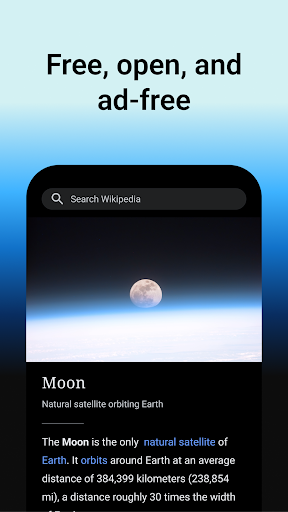
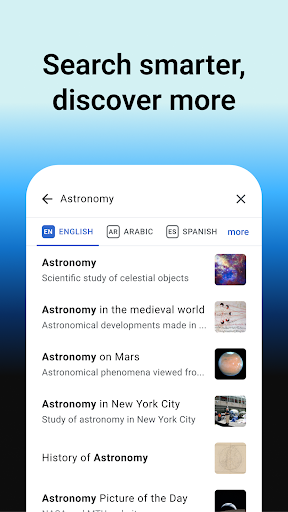
Wikipedia’s official mobile app gives you access to the same 40+ million articles across 300+ languages that you’d get on the website, but wrapped in a cleaner, ad-free reading experience. It’s built by the Wikimedia Foundation, a nonprofit, so there’s no advertising and no data tracking baked into the business model. This app is aimed squarely at people who look things up often, whether that’s students doing homework, curious readers going down rabbit holes, or anyone who wants a quick, reliable reference without wading through a browser full of ads.
Reading and Research Features That Actually Work
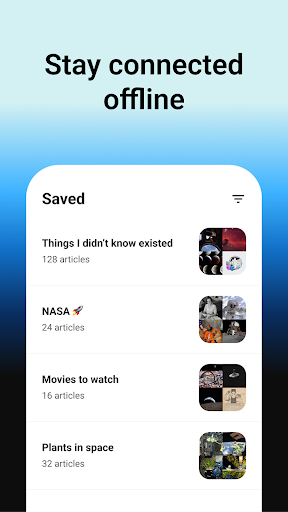
The core reading experience is where this app shines. Users consistently mention using it as a ‘jump-off point’ for research, appreciating that it gives a solid starting point even when facts need further verification elsewhere. The offline reading lists are a standout: you can save articles into named collections, access them without an internet connection, and have them sync across devices. One reviewer called it their most-used app on their phone, ahead of even their web browser. The tap-to-preview feature, where clicking a highlighted word pops up a summary overlay instead of yanking you to a new page, also gets specific praise for keeping you in the flow of the article you’re already reading.
Dark Mode and Display Quirks Worth Knowing
The app offers multiple themes, including pure black, dark, sepia, and light, plus adjustable text size, which is a nice touch for long reading sessions. But dark mode isn’t flawless: one user pointed out that image captions render in dark gray instead of white in dark mode, making them nearly unreadable against the dark background. It’s a small detail, but if you read a lot of image-heavy articles at night, it’s the kind of thing you’ll notice quickly.
Editing and Navigation Frustrations
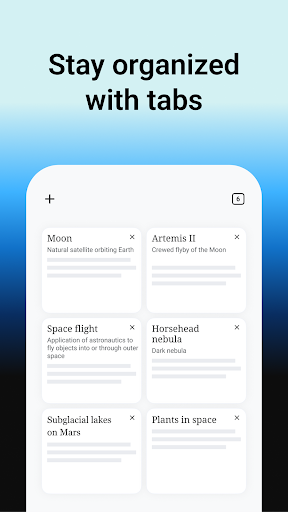
If you’re an editor rather than just a reader, this app has rougher edges. One reviewer described a persistent bug where the font size randomly enlarges while editing an article, and the built-in font size control does nothing to fix it, making substantial edits from mobile genuinely difficult. There are also complaints about inconsistent article formatting and occasionally missing current information compared to the desktop site. Opening links from outside browsers like Firefox has caused mismatched images and pages jumping to the wrong article after a refresh. The app’s 100-tab limit also draws confusion from users who don’t understand why it’s capped or what happens when you hit it.
Stability and the Verdict
Some reviewers reported the app occasionally freezing or showing ‘not responding’ messages after updates, though at least one user noted the issue was resolved in a later release, suggesting the developers do act on feedback. Overall, this is a well-made, genuinely useful app for casual readers and researchers who mainly want to read, save, and browse articles offline. It’s less polished for power users who edit frequently or rely heavily on dark mode for image-heavy content. If you want a fast, ad-free way to read Wikipedia on the go, download it. If you’re a heavy editor, expect some friction.