
What This Sneak-Around-the-House Game Actually Is
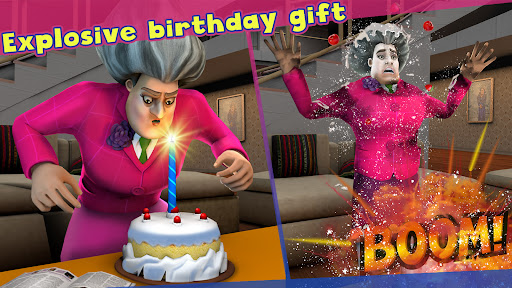
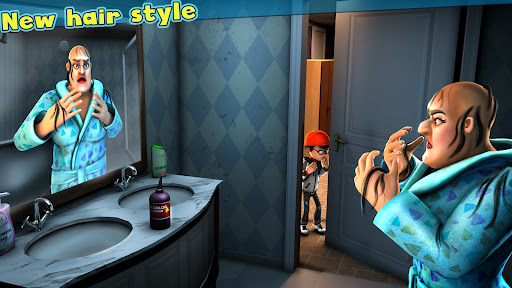
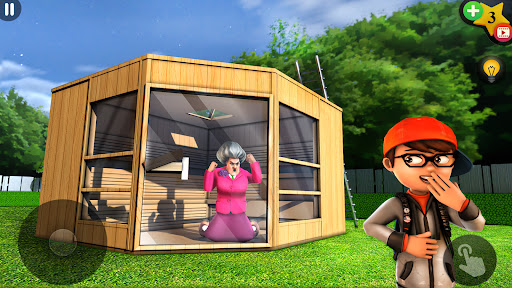
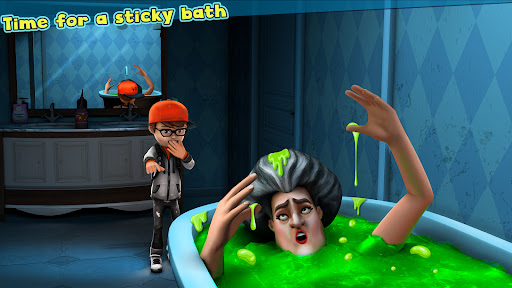
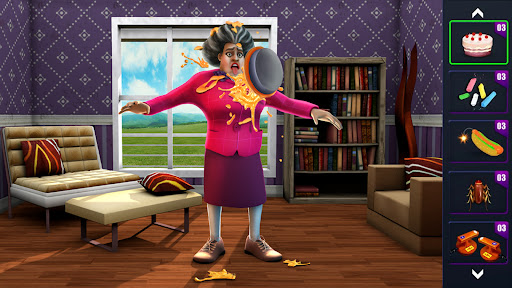
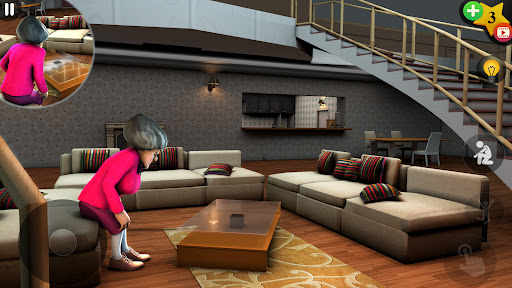
Scary Teacher 3D drops you into the role of a kid trying to get revenge on Miss T, a cruel neighborhood teacher, by sneaking through her 15-room house, solving small puzzles, freeing pets, and pulling pranks while avoiding getting caught. It’s built around an open-world-style house rather than a linear level layout, and the premise leans into horror-lite themes that are cartoonish rather than genuinely scary, which is why the store listing pitches it as suitable for most ages. It’s aimed at younger players and casual mobile gamers who like light stealth puzzles more than anyone looking for a deep simulation experience.
The Core Loop: Hiding, Timing, and Solving Room Puzzles
The strongest part of the game is exactly what reviewers keep pointing to: tracking Miss T’s location and timing your movements around the house. One player specifically described the trick of going downstairs when she’s upstairs, or using the doorbell to lure her away from a room you need to search, and that kind of environmental awareness genuinely becomes the fun of the game. Players also praise the graphics as impressive for a mobile title, and several mention that the difficulty ramps up in a way that feels intentional rather than random, which suggests the level design got real attention rather than being thrown together like a generic sandbox app.
Where the Controls and Progression Start to Frustrate
The most common complaint across reviews is the control scheme. Multiple players wanted simple tap-to-move navigation instead of the ball-based joystick controls, describing the movement as slow and difficult, with one reviewer explicitly saying it’s why they and their granddaughter didn’t enjoy it. Another recurring request is for adjustable look sensitivity, since the default setting reportedly gets players caught by Miss T repeatedly before they can react. On top of that, lag is mentioned as an issue even on what should be simple obstacle-avoidance sequences, which undercuts the otherwise solid visual presentation.
The Paywall Problem After Chapter One
By far the biggest recurring frustration is what happens after you finish the first chapter. Several reviewers say the game is genuinely fun until that point, then hits a wall where new chapters and packs require real money to unlock. One player called this frustrating outright, noting they don’t think apps should force real-money payments to keep playing a game that was free to start. Another added that watching ads to earn coins doesn’t reliably work, and that the ‘teaser mode’ isn’t worth spending coins on because it doesn’t deliver enough content to justify the cost. Because of this wall, some players end up just replaying the same one or two free chapters repeatedly, which several reviewers say makes the game noticeably easier and less interesting each time through.
Reward and Ad Inconsistencies Worth Knowing About
Beyond the paywall, there are smaller trust issues that add up. One reviewer described being promised 900 coins as a reward but only receiving 100, which is the kind of discrepancy that makes in-game economies feel unreliable even for players willing to grind rather than pay. Combined with the ad frequency mentioned by another reviewer as ‘ads galore,’ the monetization approach seems to be a bigger drag on the experience than the actual gameplay mechanics, which multiple reviewers otherwise found genuinely entertaining, funny, and worth the initial download.
Who Should Actually Download This
Scary Teacher 3D is worth trying if you want a free, light horror-comedy stealth game for a younger player or for casual short sessions, and the first chapter alone gives a decent sense of whether the core cat-and-mouse loop clicks for you. It’s not a good pick if you’re expecting a full campaign without additional purchases, or if imprecise touch controls and occasional lag are dealbreakers for you. Go in expecting a fun but short free portion, a hard paywall afterward, and some rough edges in navigation and reward consistency before you decide whether to spend money to continue.